Apostolic Letter "Ecclesia Dei" of the Supreme Pontiff John Paul II
Given Motu Proprio:
1. With great affliction the Church has learned of the unlawful episcopal ordination conferred on 30 June last by Archbishop Marcel Lefebvre, which has frustrated all the efforts made during the previous years to ensure the full communion with the Church of the Priestly Fraternity of St. Pius X founded by the same Mons. Lefebvre. These efforts, especially intense during recent months, in which the Apostolic See has shown comprehension to the limits of the possible, were all to no avail.
2. This affliction was particularly felt by the Successor Peter to whom in the first place pertains the guardianship of the unity of the Church, even though the number of persons directly involved in these events might be few. For every person is loved by God on his own account and has been redeemed by the blood of Christ shed on the Cross for the salvation of all.
The particular circumstances, both objective and subjective in which Archbishop Lefebvre acted, provide everyone with an occasion for profound reflection and for a renewed pledge of fidelity to Christ and to his Church.
3. In itself, this act was one of disobedience to the Roman Pontiff in a very grave matter and of supreme importance for the unity of the church, such as is the ordination of bishops whereby the apostolic succession is sacramentally perpetuated. Hence such disobedience - which implies in practice the rejection of the Roman primacy - constitutes a schismatic act. In performing such an act, notwithstanding the formal canonical warning sent to them by the Cardinal Prefect of the Congregation for Bishops on 17 June last, Mons. Lefebvre and the priests Bernard Fellay, Bernard Tissier de Mallerais, Richard Williamson and Alfonso de Galarreta, have incurred the grave penalty of excommunication envisaged by ecclesiastical law.
4. The root of this schismatic act can be discerned in an incomplete and contradictory notion of Tradition. Incomplete, because it does not take sufficiently into account the living character of Tradition, which, as the Second Vatican Council clearly taught, "comes from the apostles and progresses in the Church with the help of the Holy Spirit. There is a growth in insight into the realities and words that are being passed on. This comes about in various ways. It comes through the contemplation and study of believers who ponder these things in their hearts. It comes from the intimate sense of spiritual realities which they experience. And it comes from the preaching of those who have received, along with their right of succession in the episcopate, the sure charism of truth".
But especially contradictory is a notion of Tradition which opposes the universal Magisterium of the Church possessed by the Bishop of Rome and the Body of Bishops. It is impossible to remain faithful to the Tradition while breaking the ecclesial bond with him to whom, in the person of the Apostle Peter, Christ himself entrusted the ministry of unity in his Church.
5. Faced with the situation that has arisen I deem it my duty to inform all the Catholic faithful of some aspects which this sad event has highlighted.
a) The outcome of the movement promoted by Mons. Lefebvre can and must be, for all the Catholic faithful, a motive for sincere reflection concerning their own fidelity to the Church's Tradition, authentically interpreted by the ecclesiastical Magisterium, ordinary and extraordinary, especially in the Ecumenical Councils from Nicaea to Vatican II. From this reflection all should draw a renewed and efficacious conviction of the necessity of strengthening still more their fidelity by rejecting erroneous interpretations and arbitrary and unauthorized applications in matters of doctrine, liturgy and discipline.
To the bishops especially it pertains, by reason of their pastoral mission, to exercise the important duty of a clear-sighted vigilance full of charity and firmness, so that this fidelity may be everywhere safeguarded.
However, it is necessary that all the Pastors and the other faithful have a new awareness, not only of the lawfulness but also of the richness for the Church of a diversity of charisms, traditions of spirituality and apostolate, which also constitutes the beauty of unity in variety: of that blended "harmony" which the earthly Church raises up to Heaven under the impulse of the Holy Spirit.
b) Moreover, I should like to remind theologians and other experts in the ecclesiastical sciences that they should feel themselves called upon to answer in the present circumstances. Indeed, the extent and depth of the teaching of the Second Vatican Council call for a renewed commitment to deeper study in order to reveal clearly the Council's continuity with Tradition, especially in points of doctrine which, perhaps because they are new, have not yet been well understood by some sections of the Church.
c) In the present circumstances I wish especially to make an appeal both solemn and heartfelt, paternal and fraternal, to all those who until now have been linked in various ways to the movement of Archbishop Lefebvre, that they may fulfil the grave duty of remaining united to the Vicar of Christ in the unity of the Catholic Church, and of ceasing their support in any way for that movement. Everyone should be aware that formal adherence to the schism is a grave offence against God and carries the penalty of excommunication decreed by the Church's law.
To all those Catholic faithful who feel attached to some previous liturgical and disciplinary forms of the Latin tradition I wish to manifest my will to facilitate their ecclesial communion by means of the necessary measures to guarantee respect for their rightful aspirations. In this matter I ask for the support of the bishops and of all those engaged in the pastoral ministry in the Church.
6. Taking account of the importance and complexity of the problems referred to in this document, by virtue of my Apostolic Authority I decree the following:
a) a Commission is instituted whose task it will be to collaborate with the bishops, with the Departments of the Roman Curia and with the circles concerned, for the purpose of facilitating full ecclesial communion of priests, seminarians, religious communities or individuals until now linked in various ways to the Fraternity founded by Mons. Lefebvre, who may wish to remain united to the Successor Peter in the Catholic Church, while preserving their spiritual and liturgical traditions, in the light of the Protocol signed on 5 May last by Cardinal Ratzinger and Mons. Lefebvre;
b) this Commission is composed of a Cardinal President and other members of the Roman Curia, in a number that will be deemed opportune according to circumstances;
c) moreover, respect must everywhere be shown for the feelings of all those who are attached to the Latin liturgical tradition, by a wide and generous application of the directives already issued some time ago by the Apostolic See for the use of the Roman Missal according to the typical edition of 1962.
7. As this year specially dedicated to the Blessed Virgin is now drawing to a close, I wish to exhort all to join in unceasing prayer that the Vicar of Christ, through the intercession of the Mother of the church, addresses to the Father in the very words of the Son: "That they all may be one!".
Given at Rome, at St. Peter's. 2 July 1988, the tenth year of the pontificate.
Joannes Paulus PP. II
So far, we have not witnessed the "wide and generous application of the directives" which were issued by the Holy See for the use of the Roman Missal according to the typical edition of 1962.
Paul.
Sunday, November 12, 2006


Top Vatican Cardinal: Large Parishes Should Offer Latin Mass At Least Once A Week...
I think Pope John Paul II's Apostolic Letter Ecclesia Dei should be required reading. Thus far, the document has been largely ignored. So much for obedience in this matter!
Paul.
Paul.

Saturday, November 11, 2006
LITANIAE SACRATISSIMI CORDIS IESU (Latin)
Kyrie, eleison.
Christe, eleison.
Kyrie, eleison.
Christe, audi nos.Christe, exaudi nos.
Pater de caelis, Deus, …………….…… miserere nobis.
Fili, Redemptor mundi,
Deus, Spiritus Sancte,
Deus, Sancta Trinitas,
unus Deus, Cor Iesu,
Filii Patris aeterni,
Cor Iesu, in sinu Virginis Matris a Spiritu Sancto formatum,
Cor Iesu, Verbo Dei substantialiter unitum,
Cor Iesu, maiestatis infinitae,
Cor Iesu, templum Dei sanctum,
Cor Iesu, tabernaculum Altissimi,
Cor Iesu, domus Dei et porta caeli,
Cor Iesu, fornax ardens caritatis,
Cor Iesu, iustitiae et amoris receptaculum,
Cor Iesu, bonitate et amore plenum,
Cor Iesu, virtutum omnium abyssus,
Cor Iesu, omni laude dignissimum,
Cor Iesu, rex et centrum omnium cordium,
Cor Iesu, in quo sunt omnes thesauri sapientiae et scientiae,
Cor Iesu, in quo habitat omnis plenitudo divinitatis,
Cor Iesu, in quo Pater sibi bene complacuit,
Cor Iesu, de cuius plenitudine omnes nos accepimus,
Cor Iesu, desiderium collium aeternorum,
Cor Iesu, patiens et multae misericordiae,
Cor Iesu, dives in omnes qui invocant te,
Cor Iesu, fons vitae et sanctitatis,
Cor Iesu, propitiatio pro peccatis nostris,
Cor Iesu, saturatum opprobriis,
Cor Iesu, attritum propter scelera nostra
Cor Iesu, usque ad mortem obediens factum
Cor Iesu, lancea perforatum,
Cor Iesu, fons totius consolationis,
Cor Iesu, vita et resurrectio nostra,
Cor Iesu, pax et reconciliatio nostra,
Cor Iesu, victima peccatorum,
Cor Iesu, salus in te sperantium,
Cor Iesu, spes in te morientium,
Cor Iesu, deliciae Sanctorum omnium,
Agnus Dei, qui tollis peccata mundi, parce nobis, Domine.
Agnus Dei, qui tollis peccata mundi, exaudi nos, Domine.
Agnus Dei, qui tollis peccata mundi, miserere nobis.
V. Iesu, mitis et humilis corde,
R. Fac cor nostrum secundum Cor tuum.
Oremus. Omnipotens sempiterne Deus, respice in Cor dilectissimi Filii tui, etin laudes et satisfactiones, quas in nomine peccatorum tibi persolvit, iisquemisericordiam tuam petentibus tu veniam concede placatus, in nomine eiusdem Filii tui Iesu Christi: Qui tecum vivit et regnat in saecula saeculorum.
R. Amen.
LITANY TO THE MOST SACRED HEART (English)
Lord, have mercy.
Christ, have mercy.
Lord, have mercy.
Christ, hear us.
Christ, graciously hear us.
God, the Father in heaven, …………….… have mercy upon us.
God the Son, Redeemer of the world,
God, the Holy Spirit,
Holy Trinity, one God,
Heart of Jesus, Son of the Eternal Father,
Heart of Jesus, formed by the Holy Spirit in the womb of the Virgin Mother,
Heart of Jesus, substantially united to the Word of God,
Heart of Jesus, of infinite majesty,
Heart of Jesus, sacred temple of God,
Heart of Jesus, tabernacle of the Most High,
Heart of Jesus, house of God and gate of heaven,
Heart of Jesus, burning furnace of charity,
Heart of Jesus, home of justice of love,
Heart of Jesus, full of goodness and love,
Heart of Jesus, perfection of all virtues,
Heart of Jesus, most worthy of all praise,
Heart of Jesus, king and center of all hearts,
Heart of Jesus, in Whom are all the treasures of wisdom and knowledge,
Heart of Jesus, in Whom dwells the fullness of divinity,
Heart of Jesus, in Whom the Father was well pleased,
Heart of Jesus, of Whose fullness we have all received,
Heart of Jesus, desire of the everlasting hills,
Heart of Jesus, patient and most merciful,
Heart of Jesus, enriching all who invoke You,
Heart of Jesus, fountain of life and holiness,
Heart of Jesus, sacrificed for our sins,
Heart of Jesus, loaded down with reproaches,
Heart of Jesus, bruised for our offenses,
Heart of Jesus, obedient unto death,
Heart of Jesus, pierced with a lance,
Heart of Jesus, source of all consolation,
Heart of Jesus, our life and resurrection,
Heart of Jesus, our peace and reconciliation,
Heart of Jesus, victim of sin,
Heart of Jesus, salvation of those who trust in You,
Heart of Jesus, hope of those who die in You,
Heart of Jesus, delight of all the Saints,
Lamb of God, Who take away the sins of the world, have mercy upon us.
Lamb of God, Who take away the sins of the world, graciously hear us, O Lord.
Lamb of God, Who take away the sins of the world, have mercy upon us.
V. Jesus, meek and humble of heart.
R. Make our hearts like unto Yours.
Let us pray. O almighty and eternal God, look upon the Heart of your dearly-beloved Son and upon the praise and satisfaction He offers You on behalf of sinners and, being appeased, grant pardon to those who seek your mercy, in the name of the same Jesus Christ Your Son, Who lives and reigns with You in the unity of the Holy Spirit, one God, for ever and ever.
R. Amen.
Kyrie, eleison.
Christe, eleison.
Kyrie, eleison.
Christe, audi nos.Christe, exaudi nos.
Pater de caelis, Deus, …………….…… miserere nobis.
Fili, Redemptor mundi,
Deus, Spiritus Sancte,
Deus, Sancta Trinitas,
unus Deus, Cor Iesu,
Filii Patris aeterni,
Cor Iesu, in sinu Virginis Matris a Spiritu Sancto formatum,
Cor Iesu, Verbo Dei substantialiter unitum,
Cor Iesu, maiestatis infinitae,
Cor Iesu, templum Dei sanctum,
Cor Iesu, tabernaculum Altissimi,
Cor Iesu, domus Dei et porta caeli,
Cor Iesu, fornax ardens caritatis,
Cor Iesu, iustitiae et amoris receptaculum,
Cor Iesu, bonitate et amore plenum,
Cor Iesu, virtutum omnium abyssus,
Cor Iesu, omni laude dignissimum,
Cor Iesu, rex et centrum omnium cordium,
Cor Iesu, in quo sunt omnes thesauri sapientiae et scientiae,
Cor Iesu, in quo habitat omnis plenitudo divinitatis,
Cor Iesu, in quo Pater sibi bene complacuit,
Cor Iesu, de cuius plenitudine omnes nos accepimus,
Cor Iesu, desiderium collium aeternorum,
Cor Iesu, patiens et multae misericordiae,
Cor Iesu, dives in omnes qui invocant te,
Cor Iesu, fons vitae et sanctitatis,
Cor Iesu, propitiatio pro peccatis nostris,
Cor Iesu, saturatum opprobriis,
Cor Iesu, attritum propter scelera nostra
Cor Iesu, usque ad mortem obediens factum
Cor Iesu, lancea perforatum,
Cor Iesu, fons totius consolationis,
Cor Iesu, vita et resurrectio nostra,
Cor Iesu, pax et reconciliatio nostra,
Cor Iesu, victima peccatorum,
Cor Iesu, salus in te sperantium,
Cor Iesu, spes in te morientium,
Cor Iesu, deliciae Sanctorum omnium,
Agnus Dei, qui tollis peccata mundi, parce nobis, Domine.
Agnus Dei, qui tollis peccata mundi, exaudi nos, Domine.
Agnus Dei, qui tollis peccata mundi, miserere nobis.
V. Iesu, mitis et humilis corde,
R. Fac cor nostrum secundum Cor tuum.
Oremus. Omnipotens sempiterne Deus, respice in Cor dilectissimi Filii tui, etin laudes et satisfactiones, quas in nomine peccatorum tibi persolvit, iisquemisericordiam tuam petentibus tu veniam concede placatus, in nomine eiusdem Filii tui Iesu Christi: Qui tecum vivit et regnat in saecula saeculorum.
R. Amen.
LITANY TO THE MOST SACRED HEART (English)
Lord, have mercy.
Christ, have mercy.
Lord, have mercy.
Christ, hear us.
Christ, graciously hear us.
God, the Father in heaven, …………….… have mercy upon us.
God the Son, Redeemer of the world,
God, the Holy Spirit,
Holy Trinity, one God,
Heart of Jesus, Son of the Eternal Father,
Heart of Jesus, formed by the Holy Spirit in the womb of the Virgin Mother,
Heart of Jesus, substantially united to the Word of God,
Heart of Jesus, of infinite majesty,
Heart of Jesus, sacred temple of God,
Heart of Jesus, tabernacle of the Most High,
Heart of Jesus, house of God and gate of heaven,
Heart of Jesus, burning furnace of charity,
Heart of Jesus, home of justice of love,
Heart of Jesus, full of goodness and love,
Heart of Jesus, perfection of all virtues,
Heart of Jesus, most worthy of all praise,
Heart of Jesus, king and center of all hearts,
Heart of Jesus, in Whom are all the treasures of wisdom and knowledge,
Heart of Jesus, in Whom dwells the fullness of divinity,
Heart of Jesus, in Whom the Father was well pleased,
Heart of Jesus, of Whose fullness we have all received,
Heart of Jesus, desire of the everlasting hills,
Heart of Jesus, patient and most merciful,
Heart of Jesus, enriching all who invoke You,
Heart of Jesus, fountain of life and holiness,
Heart of Jesus, sacrificed for our sins,
Heart of Jesus, loaded down with reproaches,
Heart of Jesus, bruised for our offenses,
Heart of Jesus, obedient unto death,
Heart of Jesus, pierced with a lance,
Heart of Jesus, source of all consolation,
Heart of Jesus, our life and resurrection,
Heart of Jesus, our peace and reconciliation,
Heart of Jesus, victim of sin,
Heart of Jesus, salvation of those who trust in You,
Heart of Jesus, hope of those who die in You,
Heart of Jesus, delight of all the Saints,
Lamb of God, Who take away the sins of the world, have mercy upon us.
Lamb of God, Who take away the sins of the world, graciously hear us, O Lord.
Lamb of God, Who take away the sins of the world, have mercy upon us.
V. Jesus, meek and humble of heart.
R. Make our hearts like unto Yours.
Let us pray. O almighty and eternal God, look upon the Heart of your dearly-beloved Son and upon the praise and satisfaction He offers You on behalf of sinners and, being appeased, grant pardon to those who seek your mercy, in the name of the same Jesus Christ Your Son, Who lives and reigns with You in the unity of the Holy Spirit, one God, for ever and ever.
R. Amen.
Friday, November 10, 2006
ACT OF REPARATION TO THE SACRED HEART OF JESUS
O sweet Jesus, Whose overflowing charity for me is requited by so much forgetfulness, negligence and contempt, behold us prostrate before Your alter (in Your presence) eager to repair by a special act of homage the cruel indifference and injuries, to which Your loving Heart is everywhere subject.
Mindful alas! that we ourselves have had a share in such great indignities, which we now deplore from the depths of our hearts, we humbly ask Your pardon and declare our readiness to atone by voluntary expiation not only for our own personal offenses, but also for the sins of those, who, straying for from the path of salvation, refuse in their obstinate infidelity to follow You, their Shepherd and Leader, or, renouncing the vows of their baptism, have cast off the sweet yoke of Your Law.
We are now resolved to expiate each and every deplorable outrage committed against You; we are determined to make amends for the manifold offenses against Christian modesty in unbecoming dress and behavior, for all the foul seductions laid to ensnare the feet of the innocent, for the frequent violations of Sundays and holidays, and the shocking blasphemies uttered against You and Your Saints. We wish also to make amends for the insults to which Your Vicar on earth and Your priests are subjected, for the profanation, by conscious neglect or terrible acts of sacrilege, of the very Sacrament of Your Divine Love; and lastly for the public crimes of nations who resist the rights and teaching authority of the Church which You have founded.
Would, O divine Jesus, we were able to wash away such abominations with our blood. We now offer, in reparation for these violations of Your divine honor, the satisfaction You once made to Your eternal Father on the cross and which You continue to renews daily on our altars; we offer it in union with the acts of atonement of Your Virgin Mother and all the Saints and of the pious faithful on earth; and we sincerely promise to make recompense, as far as we can with the help of Your grace, for all neglect of Your great love and for the sins we and others have committed in the past. Henceforth we will live a life of unwavering faith, of purity of conduct, of perfect observance of the precepts of the gospel and especially that of charity.
We promise to the best of our power to prevent other from offending You and to bring as many as possible to follow You. O loving Jesus, through the intercession of the Blessed Virgin Mary, our model in reparation, deign to receive the voluntary offering we make of this act of expiation; and by the crowing gift of perseverance keep us faithful unto death in our duty and the allegiance we owe to You, so that we may one day come to that happy home, where You with the Father and the Holy Spirit lives and reigns, God, world without end.
Amen.
O sweet Jesus, Whose overflowing charity for me is requited by so much forgetfulness, negligence and contempt, behold us prostrate before Your alter (in Your presence) eager to repair by a special act of homage the cruel indifference and injuries, to which Your loving Heart is everywhere subject.
Mindful alas! that we ourselves have had a share in such great indignities, which we now deplore from the depths of our hearts, we humbly ask Your pardon and declare our readiness to atone by voluntary expiation not only for our own personal offenses, but also for the sins of those, who, straying for from the path of salvation, refuse in their obstinate infidelity to follow You, their Shepherd and Leader, or, renouncing the vows of their baptism, have cast off the sweet yoke of Your Law.
We are now resolved to expiate each and every deplorable outrage committed against You; we are determined to make amends for the manifold offenses against Christian modesty in unbecoming dress and behavior, for all the foul seductions laid to ensnare the feet of the innocent, for the frequent violations of Sundays and holidays, and the shocking blasphemies uttered against You and Your Saints. We wish also to make amends for the insults to which Your Vicar on earth and Your priests are subjected, for the profanation, by conscious neglect or terrible acts of sacrilege, of the very Sacrament of Your Divine Love; and lastly for the public crimes of nations who resist the rights and teaching authority of the Church which You have founded.
Would, O divine Jesus, we were able to wash away such abominations with our blood. We now offer, in reparation for these violations of Your divine honor, the satisfaction You once made to Your eternal Father on the cross and which You continue to renews daily on our altars; we offer it in union with the acts of atonement of Your Virgin Mother and all the Saints and of the pious faithful on earth; and we sincerely promise to make recompense, as far as we can with the help of Your grace, for all neglect of Your great love and for the sins we and others have committed in the past. Henceforth we will live a life of unwavering faith, of purity of conduct, of perfect observance of the precepts of the gospel and especially that of charity.
We promise to the best of our power to prevent other from offending You and to bring as many as possible to follow You. O loving Jesus, through the intercession of the Blessed Virgin Mary, our model in reparation, deign to receive the voluntary offering we make of this act of expiation; and by the crowing gift of perseverance keep us faithful unto death in our duty and the allegiance we owe to You, so that we may one day come to that happy home, where You with the Father and the Holy Spirit lives and reigns, God, world without end.
Amen.
Thursday, November 09, 2006
EUCHARISTIC ADORATION MUST BECOME EVER MORE WIDESPREAD
VATICAN CITY, NOV 9, 2006 (VIS) - This morning, the Holy Father received participants in the plenary assembly of the Pontifical Committee for International Eucharistic Congresses.
In his address to the delegates, the Pope first recalled how they are currently preparing the 49th International Eucharistic Congress, due to be held in Quebec, Canada, in June 2008. Eucharistic congresses, he went on, "are always a source of spiritual renewal, an occasion to make better known the Blessed Eucharist, which was the most valuable treasure Jesus left us. They also constitute an encouragement for the Church to spread the love of Christ at all levels of society, and to testify to it without hesitation."
The presence at the gathering of a number of representatives of the Adorers of the Eucharist, said Benedict XVI, gave him the opportunity to recall "just how beneficial the rediscovery of Eucharistic adoration by many Christians is. ... How much need modern humanity has to rediscover the source of its hope in the Sacrament of the Eucharist! I thank the Lord because many parishes, alongside the devout celebration of Mass, are educating the faithful in Eucharistic adoration. And it is my hope that - also in view of the next International Eucharistic Congress - this practice will become ever more widespread."
Referring to the forthcoming post-Synodal Apostolic Exhortation on the Eucharist, which will bring together the indications that arose during the October 2005 Synod on that Sacrament, the Pope concluded by giving assurances that the document "will help the Church to prepare and celebrate ... the Eucharistic congress to be held in June 2008."
VATICAN CITY, NOV 9, 2006 (VIS) - This morning, the Holy Father received participants in the plenary assembly of the Pontifical Committee for International Eucharistic Congresses.
In his address to the delegates, the Pope first recalled how they are currently preparing the 49th International Eucharistic Congress, due to be held in Quebec, Canada, in June 2008. Eucharistic congresses, he went on, "are always a source of spiritual renewal, an occasion to make better known the Blessed Eucharist, which was the most valuable treasure Jesus left us. They also constitute an encouragement for the Church to spread the love of Christ at all levels of society, and to testify to it without hesitation."
The presence at the gathering of a number of representatives of the Adorers of the Eucharist, said Benedict XVI, gave him the opportunity to recall "just how beneficial the rediscovery of Eucharistic adoration by many Christians is. ... How much need modern humanity has to rediscover the source of its hope in the Sacrament of the Eucharist! I thank the Lord because many parishes, alongside the devout celebration of Mass, are educating the faithful in Eucharistic adoration. And it is my hope that - also in view of the next International Eucharistic Congress - this practice will become ever more widespread."
Referring to the forthcoming post-Synodal Apostolic Exhortation on the Eucharist, which will bring together the indications that arose during the October 2005 Synod on that Sacrament, the Pope concluded by giving assurances that the document "will help the Church to prepare and celebrate ... the Eucharistic congress to be held in June 2008."

Wednesday, November 08, 2006
America enters most dangerous of times...
Persecution of Christians will intensify. We must pray. We must watch. Even now the Man of Sin readies himself.
Paul.
Paul.
Monday, November 06, 2006
Sunday, November 05, 2006
American Nun's Group Voter's Guide Favors Abortion and Homosexuality
Small wonder that our beloved Holy Father Pope Benedict XVI is so concerned over the state of the Catholic Church in the United States. This is not fidelity. This is not the wisdom of the Lord Jesus. This is the earthy and devilish "wisdom" described in the book of James.
This situation calls for prayer. When consecrated religious promote the murder of the unborn and homosexuality, we are witnessing a crisis of faith. No doubt some will accuse me of being "negative" or of having an "axe to grind" for reporting this for what it is. But this does not trouble me. If I am the last person on this earth to speak the truth, so be it.
The Lord Jesus does not bless infidelity. Small wonder that we are experiencing a "vocations crisis" (a crisis which is man-made) in this country. Can we honestly expect young devout Catholic women to be attracted to religious communities which promote homosexuality and the murder of the unborn?
Paul.
This situation calls for prayer. When consecrated religious promote the murder of the unborn and homosexuality, we are witnessing a crisis of faith. No doubt some will accuse me of being "negative" or of having an "axe to grind" for reporting this for what it is. But this does not trouble me. If I am the last person on this earth to speak the truth, so be it.
The Lord Jesus does not bless infidelity. Small wonder that we are experiencing a "vocations crisis" (a crisis which is man-made) in this country. Can we honestly expect young devout Catholic women to be attracted to religious communities which promote homosexuality and the murder of the unborn?
Paul.
Saturday, November 04, 2006
Are you ready for total consecration to the Blessed Virgin Mary the Montfort Way?
Click on the following link for guidelines and free materials: http://mmponline.org/33/preparation_for_33_day.htm
I consecrated myself to Our Lady using Montfort's 33 day total consecration more than 10 years ago. I recommend this to anyone who is serious about growing in holiness.
Paul.
Click on the following link for guidelines and free materials: http://mmponline.org/33/preparation_for_33_day.htm
I consecrated myself to Our Lady using Montfort's 33 day total consecration more than 10 years ago. I recommend this to anyone who is serious about growing in holiness.
Paul.
Pope John Paul II's Prayer Intention
"That for the Church, God will not fail to provide Pastors who are rich in wisdom and holiness and ready to defend the light of the Gospel to the very ends of the earth." (October 2003)
Most gracious Heavenly Father,
We thank you for our for our faithful priests and bishops, whose spiritual fatherhood and example of fidelity, self-sacrifice, and devotion is so vital to the faith of your people.
May our spiritual fathers be guided by the examples of Saints Peter and Paul, all the Apostles and their saintly successors. Give them valiant faith in the face of confusion and conflict, hope in time of trouble and sorrow, and steadfast love for you, for their families, and for all your people throughout the world. May the light of your Truth shine through their lives and their good works.
Assist all spiritual fathers, that through your Grace they may steadily grow in holiness and in knowledge and understanding of your Truth. May they generously impart this knowledge to those who rely on them.
Through Christ our Lord. Amen.
"That for the Church, God will not fail to provide Pastors who are rich in wisdom and holiness and ready to defend the light of the Gospel to the very ends of the earth." (October 2003)
Most gracious Heavenly Father,
We thank you for our for our faithful priests and bishops, whose spiritual fatherhood and example of fidelity, self-sacrifice, and devotion is so vital to the faith of your people.
May our spiritual fathers be guided by the examples of Saints Peter and Paul, all the Apostles and their saintly successors. Give them valiant faith in the face of confusion and conflict, hope in time of trouble and sorrow, and steadfast love for you, for their families, and for all your people throughout the world. May the light of your Truth shine through their lives and their good works.
Assist all spiritual fathers, that through your Grace they may steadily grow in holiness and in knowledge and understanding of your Truth. May they generously impart this knowledge to those who rely on them.
Through Christ our Lord. Amen.
Sainthood, the vocation of us all
SAINTLINESS MEANS LISTENING TO JESUS AND FOLLOWING HIM
VATICAN CITY, NOV 1, 2006 (VIS) - Today, Solemnity of All Saints, Benedict XVI celebrated Mass in the Vatican Basilica.
In his homily he highlighted the fact that "saints are not an exclusive caste of the chosen few, but a countless multitude towards whom today's liturgy encourages us to direct our gaze. That multitude contains not only officially-recognized saints, but the baptized from every age and nation who have sought to enact divine will with love and faithfulness."
"Contemplating the shining example of the saints," said the Holy Father, "awakens within us the great desire to be like them: happy to live near God, in His light, in the great family of the friends of God. ... This is the vocation of us all, clearly reiterated by Vatican Council II, and today solemnly brought to our attention once again."
"In order to be saints," he continued, "it is not necessary to accomplish extraordinary actions and works, nor to possess exceptional charisms. ... What is above all necessary is to listen to Jesus and then to follow Him without losing heart in the face of difficulties."
"The experience of the Church shows that all forms of sanctity, though following different paths, always pass along the way of the cross, the way of self-renouncement. The biographies of the saints describe men and women who, compliant to the divine plan, at times faced indescribable trials and suffering, persecutions and martyrdom."
"For us, the example of the saints is an encouragement to follow the same footsteps and experience the joy of those who entrust themselves to God; because the only true cause of sadness and unhappiness for mankind is to remain distant from Him."
Sanctity, said the Holy Father, "requires a constant effort, but it is a possibility for everyone because, more than being the work of man it is, primarily, a gift of God, thrice Holy."
"In Christ," he concluded, "God gave us all of Himself, and He calls us to a personal and profound relationship with Him. Thus, the greater our intimacy with Jesus, and the more united to Him we are, the more we enter into the mystery of divine sanctity. We discover that we are loved by Him with an infinite love, and this encourages us in turn to love our brothers and sisters. Loving always involves an act of self-renouncement, the 'loss of self', and it is precisely for this reason that it makes us happy."
VATICAN CITY, NOV 1, 2006 (VIS) - Today, Solemnity of All Saints, Benedict XVI celebrated Mass in the Vatican Basilica.
In his homily he highlighted the fact that "saints are not an exclusive caste of the chosen few, but a countless multitude towards whom today's liturgy encourages us to direct our gaze. That multitude contains not only officially-recognized saints, but the baptized from every age and nation who have sought to enact divine will with love and faithfulness."
"Contemplating the shining example of the saints," said the Holy Father, "awakens within us the great desire to be like them: happy to live near God, in His light, in the great family of the friends of God. ... This is the vocation of us all, clearly reiterated by Vatican Council II, and today solemnly brought to our attention once again."
"In order to be saints," he continued, "it is not necessary to accomplish extraordinary actions and works, nor to possess exceptional charisms. ... What is above all necessary is to listen to Jesus and then to follow Him without losing heart in the face of difficulties."
"The experience of the Church shows that all forms of sanctity, though following different paths, always pass along the way of the cross, the way of self-renouncement. The biographies of the saints describe men and women who, compliant to the divine plan, at times faced indescribable trials and suffering, persecutions and martyrdom."
"For us, the example of the saints is an encouragement to follow the same footsteps and experience the joy of those who entrust themselves to God; because the only true cause of sadness and unhappiness for mankind is to remain distant from Him."
Sanctity, said the Holy Father, "requires a constant effort, but it is a possibility for everyone because, more than being the work of man it is, primarily, a gift of God, thrice Holy."
"In Christ," he concluded, "God gave us all of Himself, and He calls us to a personal and profound relationship with Him. Thus, the greater our intimacy with Jesus, and the more united to Him we are, the more we enter into the mystery of divine sanctity. We discover that we are loved by Him with an infinite love, and this encourages us in turn to love our brothers and sisters. Loving always involves an act of self-renouncement, the 'loss of self', and it is precisely for this reason that it makes us happy."
Wednesday, November 01, 2006
Gabriel Marcel: A Philosopher for all Seasons
Our present society, much like the world of antiquity, has succumbed to an anxiety and a sense of meaningless, both of which are symptoms of its flight from God. What is the task of the Christian philosopher or theologian in such a troubled climate, a climate pervaded by relativism and despair? In the words of Joseph Cardinal Ratzinger:
"..sooner or later, the professional philosopher and the professional theologian will be forced to realize what it is that people expect of them. This expectation far surpasses the external trappings of scholarship. People expect answers to the great questions of life: deep down, what does it mean to be a human being?" (Faith, Philosophy and Theology, p.10).
Modern man is hungry for absolute truth. The truth about God and the truth about what it means to be a human being. It was Jacques Maritain who wrote that, "The great danger which threatens modern societies is a weakening of the sense of Truth. On the one hand men become so accustomed to thinking in terms of stimuli and responses, and adjustment to environment; on the other hand they are so bewildered by the manner in which the political techniques of advertising and propaganda use the words of the language that they are tempted finally to give up any interest in truth: only practical results, or sheer material verification of facts and figures, matter for them, without internal adherence to any truth really grasped. The philosopher who in pursuing his speculative task pays no attention to the interests of men, or of the social group, or of the state, reminds society of the absolute and unbending character of Truth." (On the Use of Philosophy, Atheneum, pp. 8-9).
But for Ratzinger, it is only by keeping his appeal in mind that we will be able to fully understand the rational claims of both philosophy and theology, and their mutual relationship. Enter Gabriel Marcel: Philosopher of Communion. A man whose philosophy has influenced my own so profoundly. In the words of Fr. Vincent P. Miceli:
"Perhaps this era’s outstanding philosopher, who worked hard for more than fifty years unmasking the hidden prevarications that have produced our ‘broken world’ and revealed the transcendent values that can yet save it from utter ruin, was Gabriel Marcel, a truly remarkable man. Wherever he went - and he traveled the whole world, except those regions walled against freedom which feared his presence - his delight was to be known as a neo-Socratic, not as an existentialist, a label he detested for its vulgar connotations.
Just as Socrates in Fifth Century Athens played the gadfly to his fellow Athenians, stinging them into an awareness of their ignorance and into an alertness to their sacredness, so Marcel has been raising difficulties these many years for the easy conscience of an age which is secure in the possession of its material progress and smug in the splendor of its intellectual learning.
Marcel’s excavations into lived experience represents in modern philosophy a break with the myopic dogmatism of natural science which affirms that the transcendent can never be encountered within the confines of experience. Moreover, these same probings run counter to the empty sophistries of the abstractionist philosophers who drain reality of its mysteries and desecrate it with techniques of degradation. Marcel’s kind of philosophy probes the mystery and meaning of existence, of the human person; he refers to this kind of thought as a ‘concrete philosophy, a philosophy of existence.’
The main elements of this concrete philosophy may be summed up under three headings: 1) The main truth in philosophy is: the doctrine of participation; 2) The main question for philosophers should be: how to think participation; 3) The main answer to that question is: participation is thought through a secondary reflection that is creative and free. The ascent to the plenitude of being, i.e., to communion is achieved mainly through the activities of fidelity, hope, love...
Basic to the thought of Gabriel Marcel is the need to break out of the barriers of monadic immanence. Trained in German-constructed philosophic systems, Marcel as a youth experienced the bitter loneliness of a man who is stranded and cut off in a desert universe, furrowed with moral imperatives and darkened with clouds of invincible despair. On the brink of a complete breakdown, he rejected idealism irrevocably, throwing off its mental straight jacket and plunging deeply into that current of personal and passionate research known as lived or concrete experience. There, in exhilarating wonderment, he discovered the physical tensions among cosmic creatures, the gravitational sociality of truth between human intelligences and the magnetic attractions of presences towards each other and beyond to the plenitude of the Absolute Presence.
Marcel’s principal insight was uttered superbly long before by St. Augustine: ‘To know the truth we must be in the truth.’ Another shorthand expression of this intuition might be: to philosophize is to invoke the being which is present unsummoned, to love the being which is present unloved. The last word in the philosophic quest is not expressed with the detached mind but with the whole person freely committed to a love for truth. Man must freely attest to the indubitable presence of being. The knower to whom being is present must become the lover by whom being is embraced, otherwise the knower maintains the sterile position of being an isolated, insularized ego. The fact is that the experience of being arises in participation; even more strictly, it is an experience of communion: esse est co-esse, to be is to-be-with. There can be no I, no knower except in so far as there is communion. A self segregated, sealed off from other selves, quite simply is not. The self surges into being within communion. To be a creature is to be related, to be co-present to others. The continuing existence of the self is a gift from a transcendent generosity. Nay more, the most intimate and refined treasures of the self are created within the reciprocal generosity of other selves." (Women Priests and Other Fantasies," Roman Catholic Books, pp. 314-315).
Gabriel Marcel proposes a concrete philosophy which is determined by the "bite of reality." His philosophy anticipates the appeal of Joseph Cardinal Ratzinger and provides answers to the great questions of life through lived experience and participation. What does it mean to be a human being? "To be a creature is to be related, to be co-present to others." To be a human being is to live in communion.
God love you Gabriel Marcel.
"..sooner or later, the professional philosopher and the professional theologian will be forced to realize what it is that people expect of them. This expectation far surpasses the external trappings of scholarship. People expect answers to the great questions of life: deep down, what does it mean to be a human being?" (Faith, Philosophy and Theology, p.10).
Modern man is hungry for absolute truth. The truth about God and the truth about what it means to be a human being. It was Jacques Maritain who wrote that, "The great danger which threatens modern societies is a weakening of the sense of Truth. On the one hand men become so accustomed to thinking in terms of stimuli and responses, and adjustment to environment; on the other hand they are so bewildered by the manner in which the political techniques of advertising and propaganda use the words of the language that they are tempted finally to give up any interest in truth: only practical results, or sheer material verification of facts and figures, matter for them, without internal adherence to any truth really grasped. The philosopher who in pursuing his speculative task pays no attention to the interests of men, or of the social group, or of the state, reminds society of the absolute and unbending character of Truth." (On the Use of Philosophy, Atheneum, pp. 8-9).
But for Ratzinger, it is only by keeping his appeal in mind that we will be able to fully understand the rational claims of both philosophy and theology, and their mutual relationship. Enter Gabriel Marcel: Philosopher of Communion. A man whose philosophy has influenced my own so profoundly. In the words of Fr. Vincent P. Miceli:
"Perhaps this era’s outstanding philosopher, who worked hard for more than fifty years unmasking the hidden prevarications that have produced our ‘broken world’ and revealed the transcendent values that can yet save it from utter ruin, was Gabriel Marcel, a truly remarkable man. Wherever he went - and he traveled the whole world, except those regions walled against freedom which feared his presence - his delight was to be known as a neo-Socratic, not as an existentialist, a label he detested for its vulgar connotations.
Just as Socrates in Fifth Century Athens played the gadfly to his fellow Athenians, stinging them into an awareness of their ignorance and into an alertness to their sacredness, so Marcel has been raising difficulties these many years for the easy conscience of an age which is secure in the possession of its material progress and smug in the splendor of its intellectual learning.
Marcel’s excavations into lived experience represents in modern philosophy a break with the myopic dogmatism of natural science which affirms that the transcendent can never be encountered within the confines of experience. Moreover, these same probings run counter to the empty sophistries of the abstractionist philosophers who drain reality of its mysteries and desecrate it with techniques of degradation. Marcel’s kind of philosophy probes the mystery and meaning of existence, of the human person; he refers to this kind of thought as a ‘concrete philosophy, a philosophy of existence.’
The main elements of this concrete philosophy may be summed up under three headings: 1) The main truth in philosophy is: the doctrine of participation; 2) The main question for philosophers should be: how to think participation; 3) The main answer to that question is: participation is thought through a secondary reflection that is creative and free. The ascent to the plenitude of being, i.e., to communion is achieved mainly through the activities of fidelity, hope, love...
Basic to the thought of Gabriel Marcel is the need to break out of the barriers of monadic immanence. Trained in German-constructed philosophic systems, Marcel as a youth experienced the bitter loneliness of a man who is stranded and cut off in a desert universe, furrowed with moral imperatives and darkened with clouds of invincible despair. On the brink of a complete breakdown, he rejected idealism irrevocably, throwing off its mental straight jacket and plunging deeply into that current of personal and passionate research known as lived or concrete experience. There, in exhilarating wonderment, he discovered the physical tensions among cosmic creatures, the gravitational sociality of truth between human intelligences and the magnetic attractions of presences towards each other and beyond to the plenitude of the Absolute Presence.
Marcel’s principal insight was uttered superbly long before by St. Augustine: ‘To know the truth we must be in the truth.’ Another shorthand expression of this intuition might be: to philosophize is to invoke the being which is present unsummoned, to love the being which is present unloved. The last word in the philosophic quest is not expressed with the detached mind but with the whole person freely committed to a love for truth. Man must freely attest to the indubitable presence of being. The knower to whom being is present must become the lover by whom being is embraced, otherwise the knower maintains the sterile position of being an isolated, insularized ego. The fact is that the experience of being arises in participation; even more strictly, it is an experience of communion: esse est co-esse, to be is to-be-with. There can be no I, no knower except in so far as there is communion. A self segregated, sealed off from other selves, quite simply is not. The self surges into being within communion. To be a creature is to be related, to be co-present to others. The continuing existence of the self is a gift from a transcendent generosity. Nay more, the most intimate and refined treasures of the self are created within the reciprocal generosity of other selves." (Women Priests and Other Fantasies," Roman Catholic Books, pp. 314-315).
Gabriel Marcel proposes a concrete philosophy which is determined by the "bite of reality." His philosophy anticipates the appeal of Joseph Cardinal Ratzinger and provides answers to the great questions of life through lived experience and participation. What does it mean to be a human being? "To be a creature is to be related, to be co-present to others." To be a human being is to live in communion.
God love you Gabriel Marcel.
New Age Makes Huge Inroad into Retreat Centers Operated by Catholic Nuns
An important article from Mr. Michael H. Brown. Readers of this Blog will recall my posts detailing how New Age occultism was being promoted at the La Salette's Center for Christian Living in Attleboro, Massachusetts. One woman spoke of a women's retreat there which included an altar to the four directions and a "women's Rosary" based on a woman's menstrual cycle.
Signs of the times.
Paul.
Signs of the times.
Paul.
Tuesday, October 31, 2006
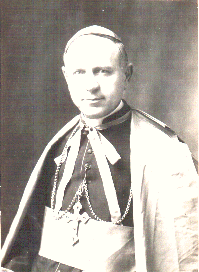
His Excellency Archbishop Louis-Joseph
Arthur Melanson (1879-1941)
Second Bishop of the Gravelbourg
Diocese from 1933 to 1937.
His Excellency Archbishop Louis-Joseph-Arthur Melanson was born in Trois-Rivières on March 25, 1879. Soon after, his family moved to New Richmond in Cascapedia Bay, New Brunswick. He studied theology in the seminairies of Rimouski and Montréal.
Arthur Melanson joined the Chatham Diocese in New Brunswick where he was ordained into priesthood by Bishop Barry on July 9, 1905. He was assigned to the Campbellton Parish as assistant priest where he dedicated his first years of ministry to the pioneers living in the forest near Colebrook and Glenlivet. Pastor of Balmoral in 1907, he was also entrusted with the care of the lumber camps. His efforts initiated a movement of colonization which succeeded in the founding of two new parishes.
In 1909, he was confided to the Campbellton Parish. In 1925, Father Melanson founded the teaching order of the Daughters of Mary of the Assumption. In 1930, he became Vicar General of the Chatham Diocese and was made Protonotary Apostolic by the Holy See. He was elected second Bishop of the Gravelbourg Diocese on November 25, 1932, and was consecrated in Chatham by the Apostolic Delegate, the Most Reverend Andrea Cassulo, on February 22, 1933.
Bishop Melanson was a firm supporter of all forms of Catholic action : youth movements, religious or lay vocations, Collège Mathieu, study groups and the Catholic Press. He was committed to the task of ensuring the survival and development of the young Church of the prairies assigned to him by the Sovereign Pontiff. His first pastoral letter, "Catholic Action; The Apostolate of the Laity in the Diocese", was published at the beginning of Lent during his first year in Gravelbourg.
Bishop Melanson founded an annual pilgrimage in honour of Mary and chose Our Lady of Auvergne Sanctuary in Ponteix. Gravelbourg's first diocesan congress on Catholic Action was held in 1935. Soon after, Bishop Melanson started a diocesan newspaper, "La Voix Catholique". The Most Reverend Arthur Melanson was promoted to Archbishop of Moncton on December 16, 1936, and was consecrated on February 22 of the following year. Archbishop Arthur Melanson died on October 23, 1941, in Moncton.
Monday, October 30, 2006
NOT JUST TOLERANCE BUT AUTHENTIC RELIGIOUS FREEDOM
VATICAN CITY, OCT 28, 2006 (VIS) - Archbishop Celestino Migliore, permanent observer of the Holy See to the United Nations in New York, participated yesterday in the 61st session of the U.N. General Assembly, which is currently considering the question of the promotion and protection of human rights.
In his English-language talk, Archbishop Migliore concentrated on three themes which, he said, "merit particular attention, namely, the coexistence of different religions and religious communities, the propagation of religion, including the sensitive issue of proselytism and the relationship between freedom of expression and religion." He also expressed his concern that, "as we celebrate the 25th anniversary of the adoption of the 1981 Declaration on the Elimination of all Forms of Intolerance and of Discrimination Based on Religion or Belief, ... freedom of religion or belief does not exist for individuals and communities, especially among religious minorities, in many parts of the world."
He continued: "The high level of religious intolerance in some countries is leading to an alarming degree of polarization and discrimination. ... While religious tolerance is sometimes characterized as accepting or permitting those religious beliefs and practices which disagree with one's own, the time has come to move beyond this type of religious tolerance, and to apply instead the principles of authentic religious freedom.
"Religious freedom," he added, "is the right to believe, worship, propose and witness to one's faith. It grants the opportunity and creates the occasions for people to profess freely the tenets of their faith. Furthermore, it includes the right to change one's religion and to associate freely with others in order to express one's religious convictions. ... We know well that, historically, tolerance has been a contentious issue among believers of different faiths. However, we have come to a turning point in history which demands more of us, including a commitment to inter-religious dialogue."
In this context, the archbishop emphasized "the indispensable importance of reciprocity, which, by its very nature, is apt to ensure the free exercise of religion in all societies. The Holy See continues to be concerned by a number of situations where the existence of enacted or proposed legislative and administrative measures for placing limits on the practice, observance or propagation of religion are a reality. Likewise, the Holy See is concerned with those situations where religion or freedom of religion is used as a pretext or a justification for violating other human rights."
"There appears to exist a recurring case of intolerance when group interests or power struggles seek to prevent religious communities from enlightening consciences and thus enabling them to act freely and responsibly, according to the true demands of justice. Likewise, it would be intolerant to denigrate religious communities and exclude them from public debate ... just because they do not agree with options nor conform to practices that are contrary to human dignity."
In our world, the prelate concluded, "religion is more than an internal matter of thought and conscience. It has the potential to bind us together as equal and valuable members of the human family. ... Nor should we underestimate its power, especially in the midst of conflict and division, ... to enable enemies to speak to one another, to foster those who were estranged to join hands in friendship, and have nations seek the way to peace together."
VATICAN CITY, OCT 28, 2006 (VIS) - Archbishop Celestino Migliore, permanent observer of the Holy See to the United Nations in New York, participated yesterday in the 61st session of the U.N. General Assembly, which is currently considering the question of the promotion and protection of human rights.
In his English-language talk, Archbishop Migliore concentrated on three themes which, he said, "merit particular attention, namely, the coexistence of different religions and religious communities, the propagation of religion, including the sensitive issue of proselytism and the relationship between freedom of expression and religion." He also expressed his concern that, "as we celebrate the 25th anniversary of the adoption of the 1981 Declaration on the Elimination of all Forms of Intolerance and of Discrimination Based on Religion or Belief, ... freedom of religion or belief does not exist for individuals and communities, especially among religious minorities, in many parts of the world."
He continued: "The high level of religious intolerance in some countries is leading to an alarming degree of polarization and discrimination. ... While religious tolerance is sometimes characterized as accepting or permitting those religious beliefs and practices which disagree with one's own, the time has come to move beyond this type of religious tolerance, and to apply instead the principles of authentic religious freedom.
"Religious freedom," he added, "is the right to believe, worship, propose and witness to one's faith. It grants the opportunity and creates the occasions for people to profess freely the tenets of their faith. Furthermore, it includes the right to change one's religion and to associate freely with others in order to express one's religious convictions. ... We know well that, historically, tolerance has been a contentious issue among believers of different faiths. However, we have come to a turning point in history which demands more of us, including a commitment to inter-religious dialogue."
In this context, the archbishop emphasized "the indispensable importance of reciprocity, which, by its very nature, is apt to ensure the free exercise of religion in all societies. The Holy See continues to be concerned by a number of situations where the existence of enacted or proposed legislative and administrative measures for placing limits on the practice, observance or propagation of religion are a reality. Likewise, the Holy See is concerned with those situations where religion or freedom of religion is used as a pretext or a justification for violating other human rights."
"There appears to exist a recurring case of intolerance when group interests or power struggles seek to prevent religious communities from enlightening consciences and thus enabling them to act freely and responsibly, according to the true demands of justice. Likewise, it would be intolerant to denigrate religious communities and exclude them from public debate ... just because they do not agree with options nor conform to practices that are contrary to human dignity."
In our world, the prelate concluded, "religion is more than an internal matter of thought and conscience. It has the potential to bind us together as equal and valuable members of the human family. ... Nor should we underestimate its power, especially in the midst of conflict and division, ... to enable enemies to speak to one another, to foster those who were estranged to join hands in friendship, and have nations seek the way to peace together."
Sunday, October 29, 2006

Jesus: The Light of the World
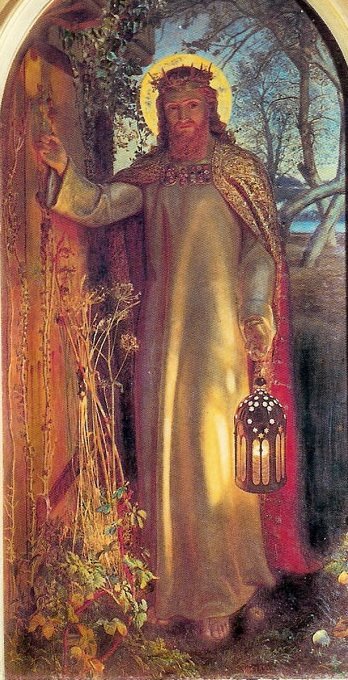
"These shall fight with the Lamb, and the Lamb shall overcome them, because He is Lord of lords, and King of kings, and they that are with Him are called, and elect, and faithful." (Ap. 17, 14
Saturday, October 28, 2006
Prayer intentions may be sent to the Spiritual Children of Saint Rita contact: frappe19751975@yahoo.com
Thursday, October 26, 2006
Signs of the times....
"..humble yourselves under the mighty hand of God, that he may exalt you in due time. Cast all your worries upon him because he cares for you. Be sober and vigilant. Your opponent the devil is prowling around like a roaring lion looking for (someone) to devour." (1 Peter 5: 6-8).
Hatred of the Holy Rosary: Evidence of the Demonic
"Even though God has set his seal of approval on the Rosary by many miracles, and though it has been approved by the Church in many papal bulls, there are only too many people who are against the Holy Rosary today. Such are the free-thinkers and those who scorn religion, who either condemn the Rosary or try to turn others away from it.
It is easy to see that they have absorbed the poison of hell and that they are inspired by the devil; for no one can condemn devotion to the Holy Rosary without condemning all that is most holy in the Catholic faith, such as the Lord's prayer, the Hail Mary and the mysteries of the life, death and glory of Jesus Christ and his holy Mother.
These free-thinkers, who cannot bear to have people saying the Rosary, often fall into an heretical state of mind without realizing it and come to hate the Rosary and its mysteries."
- The Secret of the Rosary, Ninth Rose, St. Louis Marie Grignon de Montfort.
It is easy to see that they have absorbed the poison of hell and that they are inspired by the devil; for no one can condemn devotion to the Holy Rosary without condemning all that is most holy in the Catholic faith, such as the Lord's prayer, the Hail Mary and the mysteries of the life, death and glory of Jesus Christ and his holy Mother.
These free-thinkers, who cannot bear to have people saying the Rosary, often fall into an heretical state of mind without realizing it and come to hate the Rosary and its mysteries."
- The Secret of the Rosary, Ninth Rose, St. Louis Marie Grignon de Montfort.
Tuesday, October 24, 2006
A Meditation
Take Courage, all ye people of the land...for I am with you
"Yet now take courage, O Zorobabel, saith the Lord, and take courage, O Jesus the son of Josedec the high priest, and take courage, all ye people of the land, saith the Lord of hosts: and perform (for I am with you, saith the Lord of hosts)." (Agg. 2, 5)
"Et nunc confortáre, Zoróbabel, dicit Dóminus ; et confortáre, Jesu, fili Jósedec, sacérdos magne ; et confortáre, omnis pópulus terræ, dicit Dóminus exercítuum : et fácite (quóniam Ego vobíscum sum, dicit Dóminus exercítuum)." (Agg. 2, 5)
"Yet now take courage, O Zorobabel, saith the Lord, and take courage, O Jesus the son of Josedec the high priest, and take courage, all ye people of the land, saith the Lord of hosts: and perform (for I am with you, saith the Lord of hosts)." (Agg. 2, 5)
"Et nunc confortáre, Zoróbabel, dicit Dóminus ; et confortáre, Jesu, fili Jósedec, sacérdos magne ; et confortáre, omnis pópulus terræ, dicit Dóminus exercítuum : et fácite (quóniam Ego vobíscum sum, dicit Dóminus exercítuum)." (Agg. 2, 5)
Monday, October 23, 2006
And speaking of constructive criticism....
Pope Benedict XVI is worried about the state of the church in the United States. No doubt those who insist that everything is just fine here in the United States will now accuse His Holiness of throwing a "temper tantrum." Oh well, at least I'll be in good company.
Paul.
Paul.
Constructive Criticism: Its Value
Montague Brown, Ph.D, a professor of philosophy at St. Anselm College in Manchester, NH for some twenty years, had this to say about criticism in his book entitled "The One-Minute Philosopher" (published by Sophia Institute Press - 2001):
"Criticism is the 'honest appraisal of the value of ideas or actions.' When thorough and fair, it addresses strengths and weaknesses. Pursued in the right spirit, it is a positive undertaking whose purpose is to gain an accurate understanding for the sake of growing in wisdom and virtue...
Although most of us do not like to be criticized (at least as to the shortcomings of our work), constructive criticism is helpful to us. It makes us aware of what is lacking in our work and thus allows us to improve. If I am never criticized, I may become 'self-satisfied' and not try to do better. Worse, I may grow comfortable with my faults. This is also bad for the community, for my uncorrected ideas and actions will likely harm others. Thus, criticism is a public service."
This is why Pope John Paul II said that "There is room for constructive criticism in the Church." Such criticism helps us to grow and become better persons. This fact is not appreciated by a parishioner of Ste. Marie's Parish in Manchester, who posted some anonymous comments at this Blog today. This parishioner was responding to a couple of previous posts I had written detailing how I was made to feel very unwelcome at Ste. Marie's and that I was prohibited from volunteering at the parish or participating in any way whatsoever. This individual wrote:
"Sounds like the rantings of a child having a temper tantrum. Anyone that has any knowledge of Rev. Montminy knows that he values every individual as created in the image and likeness of God. Your bad experience is no excuse for your poor behavior at this point..." This person then cited Mark 11:25, which reads "And when you stand praying, if you hold anything against anyone, forgive him, so that your Father in heaven may forgive you your sins."
Lastly, this individual wrote, "You have mentioned your desire to become a priest, that you might have a vocation. I would assume with this kind of attitude, that will not happen."
Let's address these points one by one. First of all, constructive criticism is a public service, not "the rantings of a child having a temper tantrum." And my posts were constructive in both tone and tenor. At no time have I ever engaged in condemnation, which is defined as the devaluation of a person. Again, in the words of Montague Brown, "Condemnation goes beyond evaluation of an idea or action to a declaration of the worthlessness of a human being."
Therefore, while I have never engaged in condemnation of any person (and certainly not Rev. Montminy), this individual has devalued me as a person by ascribing childish motives to my person and suggesting that I am "having a temper tantrum."
Secondly, while I refuse to judge Rev. Montminy's interior dispositions, the comment that "Anyone that has any knowledge of Rev. Montminy knows that he values every individual as created in the image and likeness of God. Your bad experience is no excuse for your poor behavior at this point.." would appear to be inaccurate.
If it is true that Rev. Montminy "values every individual as created in the image and likeness of God," why wasn't I ever welcomed at the parish by either him or his staff? And why was it such a struggle just to register at the parish? And why is it that no one ever got back to me to follow up on my desire to volunteer, a desire which I expressed on the registration form? Why have others written comments at this Blog as well as emails indicating that they too were not made to feel welcome at Ste. Marie's?
And how do such questions and observations constitute "poor behavior" on my part?
Thirdly, I love the Scripture which reads: "And when you stand praying, if you hold anything against anyone, forgive him, so that your Father in heaven may forgive you your sins." (Mark 11;25). But this is a conditional statement. The word "if" is operative here. And I hold absolutely nothing against Rev. Montminy - or anyone else for that matter. Therefore, there is nothing to forgive.
"Criticism is the 'honest appraisal of the value of ideas or actions.' When thorough and fair, it addresses strengths and weaknesses. Pursued in the right spirit, it is a positive undertaking whose purpose is to gain an accurate understanding for the sake of growing in wisdom and virtue...
Although most of us do not like to be criticized (at least as to the shortcomings of our work), constructive criticism is helpful to us. It makes us aware of what is lacking in our work and thus allows us to improve. If I am never criticized, I may become 'self-satisfied' and not try to do better. Worse, I may grow comfortable with my faults. This is also bad for the community, for my uncorrected ideas and actions will likely harm others. Thus, criticism is a public service."
This is why Pope John Paul II said that "There is room for constructive criticism in the Church." Such criticism helps us to grow and become better persons. This fact is not appreciated by a parishioner of Ste. Marie's Parish in Manchester, who posted some anonymous comments at this Blog today. This parishioner was responding to a couple of previous posts I had written detailing how I was made to feel very unwelcome at Ste. Marie's and that I was prohibited from volunteering at the parish or participating in any way whatsoever. This individual wrote:
"Sounds like the rantings of a child having a temper tantrum. Anyone that has any knowledge of Rev. Montminy knows that he values every individual as created in the image and likeness of God. Your bad experience is no excuse for your poor behavior at this point..." This person then cited Mark 11:25, which reads "And when you stand praying, if you hold anything against anyone, forgive him, so that your Father in heaven may forgive you your sins."
Lastly, this individual wrote, "You have mentioned your desire to become a priest, that you might have a vocation. I would assume with this kind of attitude, that will not happen."
Let's address these points one by one. First of all, constructive criticism is a public service, not "the rantings of a child having a temper tantrum." And my posts were constructive in both tone and tenor. At no time have I ever engaged in condemnation, which is defined as the devaluation of a person. Again, in the words of Montague Brown, "Condemnation goes beyond evaluation of an idea or action to a declaration of the worthlessness of a human being."
Therefore, while I have never engaged in condemnation of any person (and certainly not Rev. Montminy), this individual has devalued me as a person by ascribing childish motives to my person and suggesting that I am "having a temper tantrum."
Secondly, while I refuse to judge Rev. Montminy's interior dispositions, the comment that "Anyone that has any knowledge of Rev. Montminy knows that he values every individual as created in the image and likeness of God. Your bad experience is no excuse for your poor behavior at this point.." would appear to be inaccurate.
If it is true that Rev. Montminy "values every individual as created in the image and likeness of God," why wasn't I ever welcomed at the parish by either him or his staff? And why was it such a struggle just to register at the parish? And why is it that no one ever got back to me to follow up on my desire to volunteer, a desire which I expressed on the registration form? Why have others written comments at this Blog as well as emails indicating that they too were not made to feel welcome at Ste. Marie's?
And how do such questions and observations constitute "poor behavior" on my part?
Thirdly, I love the Scripture which reads: "And when you stand praying, if you hold anything against anyone, forgive him, so that your Father in heaven may forgive you your sins." (Mark 11;25). But this is a conditional statement. The word "if" is operative here. And I hold absolutely nothing against Rev. Montminy - or anyone else for that matter. Therefore, there is nothing to forgive.
Lastly, this charitable soul wrote, "You have mentioned your desire to become a priest, that you might have a vocation. I would assume with this kind of attitude, that will not happen." Again, constructive criticism does not indicate a "bad attitude" or negativity. Constructive criticism is aimed at building up rather than tearing down. But bearing this in mind, what shall we say of the criticism levelled against me by this anonymous (and that fact itself is very revealing) individual?
This anonymous person accuses me of engaging in the "rantings of a child having a temper tantrum," of falsely judging a Catholic priest (in reality I never judged his interior dispositions, only actions which I - and others - believe to be unwelcoming), of "poor behavior," of holding something against Rev. Montminy (again, I forgave him), and of having the "kind of attitude" which will prevent me from ever realizing my desire to become a religious.
Ironic is it not? Often, the very fault we accuse others of is the very fault which lies within. At any rate, if this sister in Christ is reading these words, I hold no animosity toward you whatsoever. Nor am I holding a grudge against Rev. Montminy or anyone else. But I reserve the right to engage in constructive criticism. Its purpose is the building up of community and of the common good.
Just as the priest offers me constructive criticism and advice before granting me absolution (and I welcome such advice/criticism because I am a sinner who needs to grow), so too I have a duty to offer constructive criticism to other members of the Mystical Body whenever I see actions or ideas which fail to hold up to the Lumen Christi.
As a member of the lay faithful, I already possess a vocation. And I will not deny my vocation to act as salt and light simply because someone is unable to look at a matter objectively and assumes a defensive posture.
The Scripture tells us that "People sharpen one another just as iron sharpens iron." Fraternal correction is not the sole domain of the clergy. Nor is constructive criticism. The sooner we all realize that fact, the better off we'll all be.
God love you,
Paul Anthony Melanson
Pope Benedict XVI once more appeals for peace in Iraq.
APPEAL FOR PEACE IN IRAQ
VATICAN CITY, OCT 22, 2006 (VIS) - After praying the Angelus with thousands of faithful gathered in St. Peter's Square, the Pope sent "a cordial greeting to Muslims all over the world who, during these days, are celebrating the end of the month of fasting of Ramadan. To all of them, my best wishes for serenity and peace.
"In dramatic contrast to this climate of joy," he added, "is the news coming from Iraq of the grave situation of insecurity and of the pitiless violence to which so many innocents are exposed, simply for being Shias, Sunnis or Christians.
"I am aware of the great concern being felt by the Christian community, and wish to give assurances of my closeness to them, as to all the victims, asking that strength and consolation be granted to everyone.
"I invite you," he concluded, "to join me in my plea to the Almighty that He may give the necessary faith and courage to religious and political leaders, both locally and all over the world, to support [the Iraqi] people on the road of rebuilding their homeland, in their search for a shared equilibrium, with mutual respect, and an awareness that the multiplicity of [the country's] components is an integral part of its wealth."
As Catholics, we are called to pray and work for peace. We are being called by our Holy Father to pray for such a peace and to support the Iraqi people on their long and arduous journey of rebuilding their homeland and their quest for mutual respect. Violence is not the answer. Violence begets violence. Standing with Pope John Paul II, we must cry out "no more war!"
The alternative is destruction, chaos and untold suffering. Which is precisely what we have been witnessing in Iraq. Our true weapon must be the Holy Rosary and not machine guns, tanks, fighter-planes and nuclear weapons. The Holy Rosary is far more powerful. It is a weapon for building up a civilization of love. It is easy to resort to violence. It is far more difficult to love one's enemies and to pray for them. But then, no one ever said that being a Christian was easy. It's difficult. It can be painful. Love can bring pain. But in the end, it is love which conquers hatred, hostility and death. Amor vincit omnia - love conquers all!
Love conquers all.
Paul
VATICAN CITY, OCT 22, 2006 (VIS) - After praying the Angelus with thousands of faithful gathered in St. Peter's Square, the Pope sent "a cordial greeting to Muslims all over the world who, during these days, are celebrating the end of the month of fasting of Ramadan. To all of them, my best wishes for serenity and peace.
"In dramatic contrast to this climate of joy," he added, "is the news coming from Iraq of the grave situation of insecurity and of the pitiless violence to which so many innocents are exposed, simply for being Shias, Sunnis or Christians.
"I am aware of the great concern being felt by the Christian community, and wish to give assurances of my closeness to them, as to all the victims, asking that strength and consolation be granted to everyone.
"I invite you," he concluded, "to join me in my plea to the Almighty that He may give the necessary faith and courage to religious and political leaders, both locally and all over the world, to support [the Iraqi] people on the road of rebuilding their homeland, in their search for a shared equilibrium, with mutual respect, and an awareness that the multiplicity of [the country's] components is an integral part of its wealth."
As Catholics, we are called to pray and work for peace. We are being called by our Holy Father to pray for such a peace and to support the Iraqi people on their long and arduous journey of rebuilding their homeland and their quest for mutual respect. Violence is not the answer. Violence begets violence. Standing with Pope John Paul II, we must cry out "no more war!"
The alternative is destruction, chaos and untold suffering. Which is precisely what we have been witnessing in Iraq. Our true weapon must be the Holy Rosary and not machine guns, tanks, fighter-planes and nuclear weapons. The Holy Rosary is far more powerful. It is a weapon for building up a civilization of love. It is easy to resort to violence. It is far more difficult to love one's enemies and to pray for them. But then, no one ever said that being a Christian was easy. It's difficult. It can be painful. Love can bring pain. But in the end, it is love which conquers hatred, hostility and death. Amor vincit omnia - love conquers all!
Love conquers all.
Paul
Saturday, October 21, 2006
La Salette: A Poem by Thomas Merton (1946).
La Salette
It is a hundred years since your shy feet Ventured to stand upon the pasture grass of the high Alps,
Coming no deeper in our smoky atmosphere Than these blue skies,
the mountain eyes Of the two shepherd children, young as flowers,
Born to be dazzled by no mortal snow.
Lady, it is a hundred years Since those fair, terrible tears Reproved,
with their amazing grief All the proud candor of those altitudes:
Crowning the flowers at your feet With diamonds, that seized upon,
transfigured into nails of light The rays of the mountain sun!-
And by their news, (Which came with cowbells to the evening village And to the world with church-bells After not too many days,)
And by their news We thought the walls of all hard hearts Had broken down,
and given in, Poured out their dirty garrisons of sin,
And washed the streets with our own blood, if need be - - Only to have them clean!
And though we did not understand The weight and import of so great a sorrow,
We never thought so soon to have seen The loss of its undying memory,
Passing from the black world without a word, Without a funeral!
For while our teeth were battling in the meat of miracles and favors,
Your words, your prophecies, were all forgotten!
Now, one by one, The things you said Have come to be fulfilled.
John, in the might of his Apocalypse, could not fore- tell
Half of the story of our monstrous century, In which the arm of your inexorable Son,
Bound, by His Truth, to disavow your intercession For this wolf-world, this craven zoo,
Has bombed the doors of hell clean off their hinges, And burst the cage of antichrist,
And roused, with His first two great thunderbolts, The chariots of Armageddon.
It is a hundred years since your shy feet Ventured to stand upon the pasture grass of the high Alps,
Coming no deeper in our smoky atmosphere Than these blue skies,
the mountain eyes Of the two shepherd children, young as flowers,
Born to be dazzled by no mortal snow.
Lady, it is a hundred years Since those fair, terrible tears Reproved,
with their amazing grief All the proud candor of those altitudes:
Crowning the flowers at your feet With diamonds, that seized upon,
transfigured into nails of light The rays of the mountain sun!-
And by their news, (Which came with cowbells to the evening village And to the world with church-bells After not too many days,)
And by their news We thought the walls of all hard hearts Had broken down,
and given in, Poured out their dirty garrisons of sin,
And washed the streets with our own blood, if need be - - Only to have them clean!
And though we did not understand The weight and import of so great a sorrow,
We never thought so soon to have seen The loss of its undying memory,
Passing from the black world without a word, Without a funeral!
For while our teeth were battling in the meat of miracles and favors,
Your words, your prophecies, were all forgotten!
Now, one by one, The things you said Have come to be fulfilled.
John, in the might of his Apocalypse, could not fore- tell
Half of the story of our monstrous century, In which the arm of your inexorable Son,
Bound, by His Truth, to disavow your intercession For this wolf-world, this craven zoo,
Has bombed the doors of hell clean off their hinges, And burst the cage of antichrist,
And roused, with His first two great thunderbolts, The chariots of Armageddon.
It's about time.....
U.S. Bishops Set to Tell Catholics Opposed to Church Teaching on Abortion and Homosexuality not to receive Holy Communion.
Friday, October 20, 2006
Pope Benedict XVI: Only Christ Fully Satisfies the Needs of the Human Heart
ONLY CHRIST FULLY SATISFIES THE NEEDS OF THE HUMAN HEART
VATICAN CITY, OCT 20, 2006 (VIS) - Yesterday afternoon at the Bentegodi Stadium in the Italian city of Verona, the Pope presided at a Eucharistic concelebration attended by more than 40,000 people. This was the second event - following the address he delivered earlier in the day at the Fair of Verona - of his pastoral visit to the city for the 4th Italian Ecclesial Congress, which has been considering the theme: "Witnesses of the Risen Christ, Hope of the World."
Apart from the faithful present in the stadium, a further 60,000 people were able to follow the Holy Father's homily on giant screens erected throughout the city. He told them that "the certainty that Christ arose assures us that no adverse power will ever be able to destroy the Church. We also draw encouragement from our awareness that only Christ can fully satisfy the profound expectations of the human heart and respond to the most disturbing questions of pain, injustice and evil, of death and the hereafter.
"Therefore," he added, "our faith is well founded; but it is necessary that this faith become part of our lives. A great effort must therefore be made in order for all Christians to transform themselves into 'witnesses,' ready and able to shoulder the commitment of testifying - always and to everyone - to the hope that animates them."
The Pope went on to highlight the importance of "going back to a vigorous and joyful announcement of the death and resurrection of Christ, the core of Christianity, the bedrock of our faith, the powerful lever of our certainties, the great wind that blows away all fear and indecision, all doubt and human calculation. Only from God can the decisive change of the world come. Only by going back to the Resurrection can the true nature of the Church and of her witness be understood."
Benedict XVI expressed the hope that the Church in Italy "may start out anew from this congress, ...impelled by the Word of the Risen Lord Who repeats to all mankind and to each individual: be, in today's world, witnesses of my Passion and my Resurrection. In a changing world, the Gospel does not alter. The Good News is always the same: Christ died, and He rose for our salvation! In His name bring everyone the announcement of conversion and the forgiveness of sins, but be yourselves the first to bear witness to a life of conversion and forgiveness." This is only possible, he added, with "the interior strength of the Spirit of the Risen Christ."
"Consecrated with the 'anointing' of the Holy Spirit," the Pope exclaimed, "go forth! Carry the good tidings to the poor, bind the wounds of the brokenhearted, proclaim freedom to slaves, open the doors of prisons to those within, promulgate the year of the Lord's mercy. Rebuild the ancient ruins, ... restore the wasted cities. There are so many difficult situations that await a decisive intervention! Bring into the world the hope of God, which is Christ the Lord Who rose from the dead and lives and reigns forever. Amen."
Following Mass, the Pope travelled to the airport of Verona-Villafranca where he boarded a plane for his return to Rome.
VATICAN CITY, OCT 20, 2006 (VIS) - Yesterday afternoon at the Bentegodi Stadium in the Italian city of Verona, the Pope presided at a Eucharistic concelebration attended by more than 40,000 people. This was the second event - following the address he delivered earlier in the day at the Fair of Verona - of his pastoral visit to the city for the 4th Italian Ecclesial Congress, which has been considering the theme: "Witnesses of the Risen Christ, Hope of the World."
Apart from the faithful present in the stadium, a further 60,000 people were able to follow the Holy Father's homily on giant screens erected throughout the city. He told them that "the certainty that Christ arose assures us that no adverse power will ever be able to destroy the Church. We also draw encouragement from our awareness that only Christ can fully satisfy the profound expectations of the human heart and respond to the most disturbing questions of pain, injustice and evil, of death and the hereafter.
"Therefore," he added, "our faith is well founded; but it is necessary that this faith become part of our lives. A great effort must therefore be made in order for all Christians to transform themselves into 'witnesses,' ready and able to shoulder the commitment of testifying - always and to everyone - to the hope that animates them."
The Pope went on to highlight the importance of "going back to a vigorous and joyful announcement of the death and resurrection of Christ, the core of Christianity, the bedrock of our faith, the powerful lever of our certainties, the great wind that blows away all fear and indecision, all doubt and human calculation. Only from God can the decisive change of the world come. Only by going back to the Resurrection can the true nature of the Church and of her witness be understood."
Benedict XVI expressed the hope that the Church in Italy "may start out anew from this congress, ...impelled by the Word of the Risen Lord Who repeats to all mankind and to each individual: be, in today's world, witnesses of my Passion and my Resurrection. In a changing world, the Gospel does not alter. The Good News is always the same: Christ died, and He rose for our salvation! In His name bring everyone the announcement of conversion and the forgiveness of sins, but be yourselves the first to bear witness to a life of conversion and forgiveness." This is only possible, he added, with "the interior strength of the Spirit of the Risen Christ."
"Consecrated with the 'anointing' of the Holy Spirit," the Pope exclaimed, "go forth! Carry the good tidings to the poor, bind the wounds of the brokenhearted, proclaim freedom to slaves, open the doors of prisons to those within, promulgate the year of the Lord's mercy. Rebuild the ancient ruins, ... restore the wasted cities. There are so many difficult situations that await a decisive intervention! Bring into the world the hope of God, which is Christ the Lord Who rose from the dead and lives and reigns forever. Amen."
Following Mass, the Pope travelled to the airport of Verona-Villafranca where he boarded a plane for his return to Rome.
You're not welcome here but your money is....
Some time back, I wrote two posts detailing how I wasn't welcomed at Ste. Marie's Parish in Manchester and how I even had to struggle just to obtain a parish registration form. These two posts may be found here:
http://lasalettejourney.blogspot.com/2006/01/welcoming-parish.html
http://lasalettejourney.blogspot.com/2006/01/constructive-criticism_24.html
Although I was made to feel totally unwelcome and denied the opportunity to volunteer at the parish (most likely because of my orthodoxy) - among other things the parish has promoted New Age Centering Prayer - and I'm on record as opposing it as well as dissent from Church teaching, the pastor of Ste Marie's - Fr. Marc Montminy - did manage to find the time to send me a letter asking for financial help for the parish.
In his letter dated October 19, 2006, he writes in part: "..our church is a priceless treasure; but like all treasures, it costs money to preserve....We cannot modernize these beautiful buildings without significant financial commitment on the part of everyone in the parish...now I need your help! If everyone does his/her best we can accomplish this goal."
And so it would seem that my money is welcome at Ste Marie's Parish but I am not. When I was new to the parish and looking to fit in, I was denied the opportunity to belong and to volunteer. In short, it would seem that while Fr. Montminy considers the parish buildings to be priceless treasures, he does not believe me to have any worth as a human being. If he had, I would have been welcomed and not to made to feel like a pariah.
I guess we all have our priorities.
Paul.
http://lasalettejourney.blogspot.com/2006/01/welcoming-parish.html
http://lasalettejourney.blogspot.com/2006/01/constructive-criticism_24.html
Although I was made to feel totally unwelcome and denied the opportunity to volunteer at the parish (most likely because of my orthodoxy) - among other things the parish has promoted New Age Centering Prayer - and I'm on record as opposing it as well as dissent from Church teaching, the pastor of Ste Marie's - Fr. Marc Montminy - did manage to find the time to send me a letter asking for financial help for the parish.
In his letter dated October 19, 2006, he writes in part: "..our church is a priceless treasure; but like all treasures, it costs money to preserve....We cannot modernize these beautiful buildings without significant financial commitment on the part of everyone in the parish...now I need your help! If everyone does his/her best we can accomplish this goal."
And so it would seem that my money is welcome at Ste Marie's Parish but I am not. When I was new to the parish and looking to fit in, I was denied the opportunity to belong and to volunteer. In short, it would seem that while Fr. Montminy considers the parish buildings to be priceless treasures, he does not believe me to have any worth as a human being. If he had, I would have been welcomed and not to made to feel like a pariah.
I guess we all have our priorities.
Paul.
Pope Benedict XVI: Christians and Muslims Must Face Global Challenges Together
CHRISTIANS AND MUSLIMS: FACE GLOBAL CHALLENGES TOGETHER
VATICAN CITY, OCT 20, 2006 (VIS) - Made public today was the annual Message to Muslims for the end of the month of Ramadan from the Pontifical Council for Inter-religious Dialogue. It bears the signatures of Cardinal Paul Poupard and Archbishop Pier Luigi Celata, respectively president and secretary of the council. The theme of the Message this year (1427 AH / 2006 AD) is, "Christians and Muslims: in confident dialogue aimed at solving together the challenges of our world."
The document as been published in English, French, Italian and Arabic. Extracts are given below:
"It is good to be able to share this significant moment with you in the context of our ongoing dialogue. The particular circumstances that we have recently experienced together demonstrate clearly that, however arduous the path of authentic dialogue may be at times, it is more necessary than ever.
"The month of Ramadan which you have just completed has also undoubtedly been a time of prayer and reflection on the difficult situations of today's world. While contemplating and thanking God for all that is good, it is impossible not to take note of the serious problems which affect our times: injustice, poverty, tensions and conflicts between countries as well as within them. Violence and terrorism are a particularly painful scourge. ... So much, which has taken years of sacrifice and toil to build, destroyed in a few minutes!
"As Christian and Muslim believers, are we not the first to be called to offer our specific contribution to resolve this serious situation and these complex problems? Without doubt, the credibility of religions and also the credibility of our religious leaders and all believers is at stake. If we do not play our part as believers, many will question the usefulness of religion and the integrity of all men and women who bow down before God.
"Our two religions give great importance to love, compassion and solidarity. ... In recalling this point, the first Encyclical Letter of Pope Benedict XVI, 'Deus Caritas Est' (God is Love), underlines the importance of fraternal charity in the Church's mission: love, to be credible, must be effective. ... True love must be of service to all the needs of daily life; it must also seek just and peaceful solutions to the serious problems which afflict our world."
"In those places where we can work together, let us not labor separately. The world has need, and so do we, of Christians and Muslims who respect and value each other and bear witness to their mutual love and cooperation to the glory of God and the good of all humanity. ... [This will] offer a significant contribution to the re-establishment and strengthening of peace both within nations and between peoples."
VATICAN CITY, OCT 20, 2006 (VIS) - Made public today was the annual Message to Muslims for the end of the month of Ramadan from the Pontifical Council for Inter-religious Dialogue. It bears the signatures of Cardinal Paul Poupard and Archbishop Pier Luigi Celata, respectively president and secretary of the council. The theme of the Message this year (1427 AH / 2006 AD) is, "Christians and Muslims: in confident dialogue aimed at solving together the challenges of our world."
The document as been published in English, French, Italian and Arabic. Extracts are given below:
"It is good to be able to share this significant moment with you in the context of our ongoing dialogue. The particular circumstances that we have recently experienced together demonstrate clearly that, however arduous the path of authentic dialogue may be at times, it is more necessary than ever.
"The month of Ramadan which you have just completed has also undoubtedly been a time of prayer and reflection on the difficult situations of today's world. While contemplating and thanking God for all that is good, it is impossible not to take note of the serious problems which affect our times: injustice, poverty, tensions and conflicts between countries as well as within them. Violence and terrorism are a particularly painful scourge. ... So much, which has taken years of sacrifice and toil to build, destroyed in a few minutes!
"As Christian and Muslim believers, are we not the first to be called to offer our specific contribution to resolve this serious situation and these complex problems? Without doubt, the credibility of religions and also the credibility of our religious leaders and all believers is at stake. If we do not play our part as believers, many will question the usefulness of religion and the integrity of all men and women who bow down before God.
"Our two religions give great importance to love, compassion and solidarity. ... In recalling this point, the first Encyclical Letter of Pope Benedict XVI, 'Deus Caritas Est' (God is Love), underlines the importance of fraternal charity in the Church's mission: love, to be credible, must be effective. ... True love must be of service to all the needs of daily life; it must also seek just and peaceful solutions to the serious problems which afflict our world."
"In those places where we can work together, let us not labor separately. The world has need, and so do we, of Christians and Muslims who respect and value each other and bear witness to their mutual love and cooperation to the glory of God and the good of all humanity. ... [This will] offer a significant contribution to the re-establishment and strengthening of peace both within nations and between peoples."
Wednesday, October 18, 2006
Prophecy: A Sign From the East
And yet, there are many pollyanna-like Catholics who just cannot read the signs of the times and who insist that anyone who speaks of chastisement or the consequences of sin is being "negative."
Such confused Catholics are drawn to the message of people like Norman Vincent Peale and the Chicken Soup books. The "I'm okay, you're okay" school of sacharrin-coated spirituality which avoids any mention of sin or at least downplays its seriousness.
Many priests and religious have succumbed to this "positive" feel-good spirituality. This is why they cannot muster the courage to speak out against sin and a culture of death which is envelloping our society.
As for me, I stand with the Catholic writer who said, "I find Peale appalling and Paul appealing." Amen. It is our vocation as baptized Catholics to take a stand against a society saturated in sin - institutionalized sin - and to be salt and light to a troubled and hurting world. The choice is ours: we can continue to live in denial and pretend that everything is "okay" and denounce those Christians who actually possess the Holy Spirit's gift of Fortitude and who are not afraid to stand with Christ and His Church or we can stand with the Son of Man and refuse to be ashamed of His Person and message.
The choice is ours. A meditation: Revelation 3:16.
Paul
Such confused Catholics are drawn to the message of people like Norman Vincent Peale and the Chicken Soup books. The "I'm okay, you're okay" school of sacharrin-coated spirituality which avoids any mention of sin or at least downplays its seriousness.
Many priests and religious have succumbed to this "positive" feel-good spirituality. This is why they cannot muster the courage to speak out against sin and a culture of death which is envelloping our society.
As for me, I stand with the Catholic writer who said, "I find Peale appalling and Paul appealing." Amen. It is our vocation as baptized Catholics to take a stand against a society saturated in sin - institutionalized sin - and to be salt and light to a troubled and hurting world. The choice is ours: we can continue to live in denial and pretend that everything is "okay" and denounce those Christians who actually possess the Holy Spirit's gift of Fortitude and who are not afraid to stand with Christ and His Church or we can stand with the Son of Man and refuse to be ashamed of His Person and message.
The choice is ours. A meditation: Revelation 3:16.
Paul
Tuesday, October 17, 2006
Monday, October 16, 2006
FAITHFUL TO THE SPIRIT OF ST. PIO OF PIETRELCINA
VATICAN CITY, OCT 14, 2006 (VIS) - In St. Peter's Square at midday today, Benedict XVI met with 30,000 people from Italy and other countries who have come together to commemorate the 50th anniversary of the foundation, by St. Pio of Pietrelcina, of the hospital, "Casa Sollievo della Sofferenza" (House for Relief of Suffering).
Among those present were the Capuchin Fathers of the Shrine of St. Mary of Grace and of the new church dedicated to St. Pio, located in San Giovanni Rotondo in southern Italy, as well as directors, doctors and nurses of the hospital, and members of various prayer groups.
In his address to them, the Pope called on the Capuchin Fathers, "spurred on and supported by the example of Padre Pio and by his intercession," to make every effort "to imitate him and help everyone to live a profound spiritual experience focussed on the contemplation of the Crucified Christ, Who reveals and mediates the merciful love of the heavenly Father.
"From the heart of Padre Pio, which burned with charity, arose the House for Relief of Suffering," he added. The saint "chose to call it 'house' so that sick people, especially the poor, might feel at ease there, ... and might find 'relief' from their suffering ... thanks to two converging forces: prayer and science. ... Faith in God and scientific research work together towards the same aim, that can best be expressed in Jesus' own words: 'that they may have life, and have it abundantly.' Yes, God is life, and wants man to be healed from all of the evils of the body and of the spirit."
The Holy Father then went on to recall how the prayer groups came into being following a call to pray for peace made by Pope Pius XII in 1942 during World War II. "Padre Pio," he said, "encouraged his spiritual children to give a prompt response to the appeal of the Vicar of Christ."
"The prayer groups have spread to parishes, convents and hospitals, and today number more than 3,000 with a presence on all the continents. ... Your prayer, as it says in your Statutes, is 'with the Church, through the Church and in the Church,' to be experienced always in full accordance with the Magisterium, with ready obedience to the Pope and the bishops, under the guidance of a priest appointed by the bishop. The Statues also prescribe another vital commitment of the prayer groups: 'effective and assiduous charity to bring relief to the suffering and the needy as a practical demonstration of charity towards God.' Here again is the combination prayer and charity, God and our fellow man."
Benedict XVI concluded his remarks by thanking the faithful for "the support you give me with your prayers. May the Lord repay you! At the same time, for the community of the House for Relief of Suffering I ask the special grace of remaining ever faithful to the spirit and project of Padre Pio."
May the spirit of St. Padre Pio be with all of us during these difficult times.
Paul
VATICAN CITY, OCT 14, 2006 (VIS) - In St. Peter's Square at midday today, Benedict XVI met with 30,000 people from Italy and other countries who have come together to commemorate the 50th anniversary of the foundation, by St. Pio of Pietrelcina, of the hospital, "Casa Sollievo della Sofferenza" (House for Relief of Suffering).
Among those present were the Capuchin Fathers of the Shrine of St. Mary of Grace and of the new church dedicated to St. Pio, located in San Giovanni Rotondo in southern Italy, as well as directors, doctors and nurses of the hospital, and members of various prayer groups.
In his address to them, the Pope called on the Capuchin Fathers, "spurred on and supported by the example of Padre Pio and by his intercession," to make every effort "to imitate him and help everyone to live a profound spiritual experience focussed on the contemplation of the Crucified Christ, Who reveals and mediates the merciful love of the heavenly Father.
"From the heart of Padre Pio, which burned with charity, arose the House for Relief of Suffering," he added. The saint "chose to call it 'house' so that sick people, especially the poor, might feel at ease there, ... and might find 'relief' from their suffering ... thanks to two converging forces: prayer and science. ... Faith in God and scientific research work together towards the same aim, that can best be expressed in Jesus' own words: 'that they may have life, and have it abundantly.' Yes, God is life, and wants man to be healed from all of the evils of the body and of the spirit."
The Holy Father then went on to recall how the prayer groups came into being following a call to pray for peace made by Pope Pius XII in 1942 during World War II. "Padre Pio," he said, "encouraged his spiritual children to give a prompt response to the appeal of the Vicar of Christ."
"The prayer groups have spread to parishes, convents and hospitals, and today number more than 3,000 with a presence on all the continents. ... Your prayer, as it says in your Statutes, is 'with the Church, through the Church and in the Church,' to be experienced always in full accordance with the Magisterium, with ready obedience to the Pope and the bishops, under the guidance of a priest appointed by the bishop. The Statues also prescribe another vital commitment of the prayer groups: 'effective and assiduous charity to bring relief to the suffering and the needy as a practical demonstration of charity towards God.' Here again is the combination prayer and charity, God and our fellow man."
Benedict XVI concluded his remarks by thanking the faithful for "the support you give me with your prayers. May the Lord repay you! At the same time, for the community of the House for Relief of Suffering I ask the special grace of remaining ever faithful to the spirit and project of Padre Pio."
May the spirit of St. Padre Pio be with all of us during these difficult times.
Paul
Sunday, October 15, 2006
From the La Salette Journey Archives
A word from a Doctor of the Church on authentic charity. A charity which is rooted in fraternal correction:
St. Catherine of Sienna and the Dialogue
In her own day, St. Catherine of Sienna found much corruption within the Holy Church. Homosexuality and many other deeply rooted problems were found among the clergy and Our Lord spoke to this Doctor of the Church about these problems (pride, loss of sacred identity, loss of faith, worldliness, and sensuality). These conversations were laid out in St. Catherine's book entitled "Dialogue," and most especially in that portion of the book labelled "The Mystical Body of Holy Church."
While St. Catherine cautions her readers not to engage in blanket condemnations aimed at the clergy in general (using scandals as an excuse to denigrate priests in general), and refers to such people as "irreverent persecutors" of the clergy, still, she was told by Our Lord that those who will not receive correction and those who will not give it are like the limbs of a body beginning to rot.
In our sacharrin society, medicinal rebuke is often mistaken for a "lack of charity" when in actuality such constructive criticism aids in healing. In his excellent work entitled "Liberalism is a sin," Fr. Felix Sarda Y Salvany writes:"If the propagation of good and the necessity of combating evil require the employment of terms somewhat harsh against error and its supporters, this usage is certainly not against charity. This is a corollary or consequence of the principle we have just demonstrated. We must render evil odious and detestable. We cannot attain this result without pointing out the dangers of evil, without showing how and why it is odious, detestable and contemptible. Christian oratory of all ages has ever employed the most vigorous and emphatic rhetoric in the arsenal of human speech against impiety. In the writings of the great athletes of Christianity the usage of irony, imprecation, execration and of the most crushing epithets is continual. Hence the only law is the opportunity and the truth.
But there is another justification for such an usage. Popular propagation and apologetics cannot preserve elegant and constrained academic forms. In order to convince the people we must speak to their heart and their imagination which can only be touched by ardent, brilliant, and impassioned language.To be impassioned is not to be reprehensible----when our heat is the holy ardor of truth. The supposed violence of modern Ultramontane journalism not only falls short of Liberal journalism, but is amply justified by every page of the works of our great Catholic polemicists of other epochs. This is easily verified. St. John the Baptist calls the Pharisees "race of vipers," Jesus Christ, our Divine Savior, hurls at them the epithets "hypocrites, whitened sepulchers, a perverse and adulterous generation" without thinking for this reason that He sullies the sanctity of His benevolent speech. St. Paul criticizes the schismatic Cretins as "always liars, evil beasts, slothful bellies." The same apostle calls Elymas the magician a "seducer, full of guile and deceit, child of the Devil, enemy of all justice."
If we open the Fathers we find the same vigorous castigation of heresy and heretics. St. Jerome arguing against Vigilantius casts in his face his former occupation of saloonkeeper: "From your infancy," he says to him, "you have learned other things than theology and betaken yourself to other pursuits. To verify at the same time the value of your money accounts and the value of Scriptural texts, to sample wines and grasp the meaning of the prophets and apostles are certainly not occupations which the same man can accomplish with credit." On another occasion attacking the same Vigilantius, who denied the excellence of virginity and of fasting, St. Jerome, with his usual sprightliness, asks him if he spoke thus "in order not to diminish the receipts of his saloon?"Heavens! What an outcry would be raised if one of our Ultramontane controversialists were to write against a Liberal critic or heretic of our own day in this fashion!
What shall we say of St. John Chrysostom? His famous invective against Eutropius is not comparable, in its personal and aggressive character, to the cruel invectives of Cicero against Catiline and against Verres!The gentle St. Bernard did not honey his words when he attacked the enemies of the faith. Addressing Arnold of Brescia, the great Liberal agitator of his times, he calls him in all his letters "seducer, vase of injuries, scorpion, cruel wolf." The pacific St. Thomas of Acquinas forgets the calm of his cold syllogisms when he hurls his violent apostrophe against William of St. Amour and his disciples: "Enemies of God," he cries out, "ministers of the Devil, members of antiChrist, ignorami, perverts, reprobates!" Never did the illustrious Louis Veuillot speak so boldly. The seraphic St. Bonaventure, so full of sweetness, overwhelms his adversary Gerard with such epithets as "impudent, calumniator, spirit of malice, impious, shameless, ignorant, impostor, malefactor, perfidious, ingrate!"Did St. Francis de Sales, so delicately exquisite and tender, ever purr softly over the heretics of his age and country? He pardoned their injuries, heaped benefits on them even to the point of saving the lives of those who sought to take his, but with the enemies of the faith he preserved neither moderation nor consideration. Asked by a Catholic, who desired to know if it were permissible to speak evil of a heretic who propagated false doctrines, he replied: "Yes, you can, on the condition that you adhere to the exact truth, to what you know of his bad conduct, presenting that which is doubtful as doubtful according to the degree of doubt which you may have in this regard."
In his Introduction to the Devout Life, that precious and popular work, he expresses himself again: "If the declared enemies of God and of the Church ought to be blamed and censured with all possible vigor, charity obliges us to cry 'wolf' when the wolf slips into the midst of the flock, and in every way and place we may meet him."
This is real meat for real Catholics. It was Sir Edmund Burke who said that, "The only thing necessary for evil to triumph in the world is for good people to do nothing." When we witness another Catholic (and yes, even a priest) promoting homosexuality, abortion, contraception, New Age, witchcraft, or dissent in general, we have an obligation (in charity) to speak the truth and to show others how that individual's words, ideas or actions fail to hold up when placed in the Lumen Christi - when held up to the Magisterial teaching of the Church. If someone wants to accuse us of "having an axe to grind," simply because we speak the truth, that's their affair. But such people should recall what St. Catherine had to say about medicinal rebuke and should meditate upon these passages from Sacred Scripture:
"Do not be deceived; God is not mocked, for whatever a man sows, that he will also reap. For he who sows to his own flesh will from the flesh reap corruption; but he who sows to the Spirit will from the Spirit reap eternal life." (Galatians 6:7-8)."
"Nothing is covered up that will not be revealed, or hidden that will not be known. Whatever you have said in the dark SHALL BE HEARD IN THE LIGHT, and what you have whispered in private rooms SHALL BE PROCLAIMED FROM THE HOUSETOPS." (Luke 12:2-3).
The Word of the Lord.
Amen.
Paul Anthony Melanson
St. Catherine of Sienna and the Dialogue
In her own day, St. Catherine of Sienna found much corruption within the Holy Church. Homosexuality and many other deeply rooted problems were found among the clergy and Our Lord spoke to this Doctor of the Church about these problems (pride, loss of sacred identity, loss of faith, worldliness, and sensuality). These conversations were laid out in St. Catherine's book entitled "Dialogue," and most especially in that portion of the book labelled "The Mystical Body of Holy Church."
While St. Catherine cautions her readers not to engage in blanket condemnations aimed at the clergy in general (using scandals as an excuse to denigrate priests in general), and refers to such people as "irreverent persecutors" of the clergy, still, she was told by Our Lord that those who will not receive correction and those who will not give it are like the limbs of a body beginning to rot.
In our sacharrin society, medicinal rebuke is often mistaken for a "lack of charity" when in actuality such constructive criticism aids in healing. In his excellent work entitled "Liberalism is a sin," Fr. Felix Sarda Y Salvany writes:"If the propagation of good and the necessity of combating evil require the employment of terms somewhat harsh against error and its supporters, this usage is certainly not against charity. This is a corollary or consequence of the principle we have just demonstrated. We must render evil odious and detestable. We cannot attain this result without pointing out the dangers of evil, without showing how and why it is odious, detestable and contemptible. Christian oratory of all ages has ever employed the most vigorous and emphatic rhetoric in the arsenal of human speech against impiety. In the writings of the great athletes of Christianity the usage of irony, imprecation, execration and of the most crushing epithets is continual. Hence the only law is the opportunity and the truth.
But there is another justification for such an usage. Popular propagation and apologetics cannot preserve elegant and constrained academic forms. In order to convince the people we must speak to their heart and their imagination which can only be touched by ardent, brilliant, and impassioned language.To be impassioned is not to be reprehensible----when our heat is the holy ardor of truth. The supposed violence of modern Ultramontane journalism not only falls short of Liberal journalism, but is amply justified by every page of the works of our great Catholic polemicists of other epochs. This is easily verified. St. John the Baptist calls the Pharisees "race of vipers," Jesus Christ, our Divine Savior, hurls at them the epithets "hypocrites, whitened sepulchers, a perverse and adulterous generation" without thinking for this reason that He sullies the sanctity of His benevolent speech. St. Paul criticizes the schismatic Cretins as "always liars, evil beasts, slothful bellies." The same apostle calls Elymas the magician a "seducer, full of guile and deceit, child of the Devil, enemy of all justice."
If we open the Fathers we find the same vigorous castigation of heresy and heretics. St. Jerome arguing against Vigilantius casts in his face his former occupation of saloonkeeper: "From your infancy," he says to him, "you have learned other things than theology and betaken yourself to other pursuits. To verify at the same time the value of your money accounts and the value of Scriptural texts, to sample wines and grasp the meaning of the prophets and apostles are certainly not occupations which the same man can accomplish with credit." On another occasion attacking the same Vigilantius, who denied the excellence of virginity and of fasting, St. Jerome, with his usual sprightliness, asks him if he spoke thus "in order not to diminish the receipts of his saloon?"Heavens! What an outcry would be raised if one of our Ultramontane controversialists were to write against a Liberal critic or heretic of our own day in this fashion!
What shall we say of St. John Chrysostom? His famous invective against Eutropius is not comparable, in its personal and aggressive character, to the cruel invectives of Cicero against Catiline and against Verres!The gentle St. Bernard did not honey his words when he attacked the enemies of the faith. Addressing Arnold of Brescia, the great Liberal agitator of his times, he calls him in all his letters "seducer, vase of injuries, scorpion, cruel wolf." The pacific St. Thomas of Acquinas forgets the calm of his cold syllogisms when he hurls his violent apostrophe against William of St. Amour and his disciples: "Enemies of God," he cries out, "ministers of the Devil, members of antiChrist, ignorami, perverts, reprobates!" Never did the illustrious Louis Veuillot speak so boldly. The seraphic St. Bonaventure, so full of sweetness, overwhelms his adversary Gerard with such epithets as "impudent, calumniator, spirit of malice, impious, shameless, ignorant, impostor, malefactor, perfidious, ingrate!"Did St. Francis de Sales, so delicately exquisite and tender, ever purr softly over the heretics of his age and country? He pardoned their injuries, heaped benefits on them even to the point of saving the lives of those who sought to take his, but with the enemies of the faith he preserved neither moderation nor consideration. Asked by a Catholic, who desired to know if it were permissible to speak evil of a heretic who propagated false doctrines, he replied: "Yes, you can, on the condition that you adhere to the exact truth, to what you know of his bad conduct, presenting that which is doubtful as doubtful according to the degree of doubt which you may have in this regard."
In his Introduction to the Devout Life, that precious and popular work, he expresses himself again: "If the declared enemies of God and of the Church ought to be blamed and censured with all possible vigor, charity obliges us to cry 'wolf' when the wolf slips into the midst of the flock, and in every way and place we may meet him."
This is real meat for real Catholics. It was Sir Edmund Burke who said that, "The only thing necessary for evil to triumph in the world is for good people to do nothing." When we witness another Catholic (and yes, even a priest) promoting homosexuality, abortion, contraception, New Age, witchcraft, or dissent in general, we have an obligation (in charity) to speak the truth and to show others how that individual's words, ideas or actions fail to hold up when placed in the Lumen Christi - when held up to the Magisterial teaching of the Church. If someone wants to accuse us of "having an axe to grind," simply because we speak the truth, that's their affair. But such people should recall what St. Catherine had to say about medicinal rebuke and should meditate upon these passages from Sacred Scripture:
"Do not be deceived; God is not mocked, for whatever a man sows, that he will also reap. For he who sows to his own flesh will from the flesh reap corruption; but he who sows to the Spirit will from the Spirit reap eternal life." (Galatians 6:7-8)."
"Nothing is covered up that will not be revealed, or hidden that will not be known. Whatever you have said in the dark SHALL BE HEARD IN THE LIGHT, and what you have whispered in private rooms SHALL BE PROCLAIMED FROM THE HOUSETOPS." (Luke 12:2-3).
The Word of the Lord.
Amen.
Paul Anthony Melanson
Thursday, October 12, 2006
Wednesday, October 11, 2006
Monday, October 09, 2006
Pope Benedict XVI: Commitment to truth opens the way to reconciliation
COMMITMENT TO TRUTH OPENS THE WAY TO RECONCILIATION
VATICAN CITY, OCT 9, 2006 (VIS) - Made public today was a Letter from Benedict XVI to Cardinal Edward Idris Cassidy, president emeritus of the Pontifical Council for Promoting Christian Unity, for a meeting of Australian bishops commemorating the 20th anniversary of John Paul II's visit to their country. The meeting was held in Alice Springs, Australia, from October 2 to 7.
In his Letter, written in English, the Pope indicates how recalling John Paul II's visit provides an opportunity to renew the aims and repropose the challenges he identified. These include faithfulness "to your worthy traditions," the capacity to "adapt your living culture whenever this is required," and above all the ability to open hearts "to the consoling, purifying and uplifting message of Jesus Christ."
"How," the Holy Father asks, "might these challenges be embraced when there is much that could lead to discouragement or even despair? As Jesus, during His time on earth, moved from village to village preaching the Good News of truth and love, He captured the attention of those who heard Him." He "made a deep impression because He taught them with authority. Indeed, every human community needs and seeks strong, inspiring leaders to guide others into the way of hope.
"Much rests therefore," he adds, "upon the example of the elders of communities. I encourage them to exercise authority wisely through faithfulness to their traditions, ... and most especially through a renewed expression of their deep awareness of God, made possible through the Good News of Jesus Christ."
Addressing young people, the Pope writes "keep alight the flame of hope and walk tall. ... Don't allow your 'dreaming' to be undermined by the shallow call of those who might lure you into the misuse of alcohol and drugs, as promises of happiness. Such promises are false, and lead only to a circle of misery and entrapment."
The Pope praises achievements "along the path of racial reconciliation," though warning that "there is still much to be accomplished. No one can exempt themselves from this process. While no culture may use past hurt as an excuse to avoid facing the difficulties in meeting the contemporary social needs of its own people, it is also the case that only through the readiness to accept historical truth can a sound understanding of contemporary reality be reached and the vision of a harmonious future espoused.
"I therefore again encourage all Australians to address with compassion and determination the deep underlying causes of the plight which still afflicts so many Aboriginal citizens. Commitment to truth opens the way to lasting reconciliation through the healing process of asking for forgiveness and granting forgiveness - two indispensable elements for peace."
Indeed, a commitment to truth opens the way to reconciliation. It's not that the message of reconciliation doesn't grab young people anymore. It's that young people are hungry for the truth. A truth which paves the way for an authentic reconciliation with God and neighbor. The La Salette Missionaries should reflect upon this truth.
Paul
VATICAN CITY, OCT 9, 2006 (VIS) - Made public today was a Letter from Benedict XVI to Cardinal Edward Idris Cassidy, president emeritus of the Pontifical Council for Promoting Christian Unity, for a meeting of Australian bishops commemorating the 20th anniversary of John Paul II's visit to their country. The meeting was held in Alice Springs, Australia, from October 2 to 7.
In his Letter, written in English, the Pope indicates how recalling John Paul II's visit provides an opportunity to renew the aims and repropose the challenges he identified. These include faithfulness "to your worthy traditions," the capacity to "adapt your living culture whenever this is required," and above all the ability to open hearts "to the consoling, purifying and uplifting message of Jesus Christ."
"How," the Holy Father asks, "might these challenges be embraced when there is much that could lead to discouragement or even despair? As Jesus, during His time on earth, moved from village to village preaching the Good News of truth and love, He captured the attention of those who heard Him." He "made a deep impression because He taught them with authority. Indeed, every human community needs and seeks strong, inspiring leaders to guide others into the way of hope.
"Much rests therefore," he adds, "upon the example of the elders of communities. I encourage them to exercise authority wisely through faithfulness to their traditions, ... and most especially through a renewed expression of their deep awareness of God, made possible through the Good News of Jesus Christ."
Addressing young people, the Pope writes "keep alight the flame of hope and walk tall. ... Don't allow your 'dreaming' to be undermined by the shallow call of those who might lure you into the misuse of alcohol and drugs, as promises of happiness. Such promises are false, and lead only to a circle of misery and entrapment."
The Pope praises achievements "along the path of racial reconciliation," though warning that "there is still much to be accomplished. No one can exempt themselves from this process. While no culture may use past hurt as an excuse to avoid facing the difficulties in meeting the contemporary social needs of its own people, it is also the case that only through the readiness to accept historical truth can a sound understanding of contemporary reality be reached and the vision of a harmonious future espoused.
"I therefore again encourage all Australians to address with compassion and determination the deep underlying causes of the plight which still afflicts so many Aboriginal citizens. Commitment to truth opens the way to lasting reconciliation through the healing process of asking for forgiveness and granting forgiveness - two indispensable elements for peace."
Indeed, a commitment to truth opens the way to reconciliation. It's not that the message of reconciliation doesn't grab young people anymore. It's that young people are hungry for the truth. A truth which paves the way for an authentic reconciliation with God and neighbor. The La Salette Missionaries should reflect upon this truth.
Paul
Sunday, October 08, 2006
La Salette Missionaries in crisis
This particular story comes as no surprise to me. Last year I chronicled some of the dissent within that troubled Religious Community. Our Lord does not bless infidelity. And the La Salette Missionaries are simply reaping what they have sown. According to this article, the message of La Salette "no longer grabs young people the way it once did." I disagree. The problem is not with the message Our Lady brought to the world through her apparitions at La Salette France. The problem is one of fidelity to that message within the La Salette Missionary Community itself as well as one of infidelity.
This is not to say that there are not many good and faithful La Salette Missionaries. But a spiritual dry-rot has seeped into the community and this fact itself calls for a return to Magisterial fidelity and to an earnest commitment toward the message of reconciliation.
According to one La Salette priest (who once said that there is "wiggle room" on the question of ordaining women to the ministerial priesthood), young people are deterred from even considering religious life "because they are shaped by a culture obsessed with material wealth."
This may be a factor to some degree. What this priest neglects to mention is that many young people do come forward only to be rejected because they are too "Magisterial" or "pre-Vatican II" and others are turned off because of the infidelity they witness or the lack of commitment to an authentic prayer life.
It's always easy to blame the laity or young people's commitment to faith or our society in general. It's much more difficult to take some responsibility and to begin with an examination of one's own attitudes. But a pharisaical approach to the vocations crisis, a crisis which is largely man-made, will not produce any positive fruit.
Paul
This is not to say that there are not many good and faithful La Salette Missionaries. But a spiritual dry-rot has seeped into the community and this fact itself calls for a return to Magisterial fidelity and to an earnest commitment toward the message of reconciliation.
According to one La Salette priest (who once said that there is "wiggle room" on the question of ordaining women to the ministerial priesthood), young people are deterred from even considering religious life "because they are shaped by a culture obsessed with material wealth."
This may be a factor to some degree. What this priest neglects to mention is that many young people do come forward only to be rejected because they are too "Magisterial" or "pre-Vatican II" and others are turned off because of the infidelity they witness or the lack of commitment to an authentic prayer life.
It's always easy to blame the laity or young people's commitment to faith or our society in general. It's much more difficult to take some responsibility and to begin with an examination of one's own attitudes. But a pharisaical approach to the vocations crisis, a crisis which is largely man-made, will not produce any positive fruit.
Paul
Thursday, October 05, 2006
Pope Benedict XVI abolishes idea of Limbo
This poses a problem for the Saint Benedict Center in Richmond, New Hampshire.
Paul
Paul
Wednesday, October 04, 2006
Tuesday, October 03, 2006
Spiritual Food from Mr. Mark Mallett
The more I read from Mr. Mallett, the more I like. His Blog is filled with wisdom.
Now Rosie O' Donnell is attacking the Holy Father
Expect the attacks against the Holy Father to continue and for a general persecution of the Church to emerge. The Man of Sin will soon reveal himself to the world. Already the media is paving the way for persecution by trying to connect our beloved Holy Father with the cover-up of homosexual abuse which has occured in the Church.
Last year, I warned my readers of attorney Daniel Shea's attempt to smear our Holy Father's name and explored the troubled background of this angry attorney from Houston, Texas who has a passionate hatred for the Church and has been involved with the transgender movement.
Watch and pray. Make your homes a fortress under the mantle of Our Lady. Pray the Rosary daily. Have recourse to the Sacrament of Penance. The Son of Perdition is ready to initiate the final persecution of the Church. Already the Dragon has waged a tremendous war against our priests, tempting so many of them into sin and compromise with the world.
Catholics who remain loyal to the Holy Father may soon find it necessary to go underground.
Paul
Last year, I warned my readers of attorney Daniel Shea's attempt to smear our Holy Father's name and explored the troubled background of this angry attorney from Houston, Texas who has a passionate hatred for the Church and has been involved with the transgender movement.
Watch and pray. Make your homes a fortress under the mantle of Our Lady. Pray the Rosary daily. Have recourse to the Sacrament of Penance. The Son of Perdition is ready to initiate the final persecution of the Church. Already the Dragon has waged a tremendous war against our priests, tempting so many of them into sin and compromise with the world.
Catholics who remain loyal to the Holy Father may soon find it necessary to go underground.
Paul
Saturday, September 30, 2006
Friday, September 29, 2006
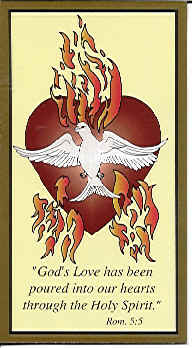
What do you get when you cross a faith-filled woman on fire with the love of God and blogging technology? A Blog by devout Catholic Marie Cecile entitled God's Wonderful Love. It's not only God's Love which is wonderful. But the form it takes in the life and writing of my dear friend from Ludlow, Massachusetts.
Her excellent site: http://mybloggodswonderfullove.blogspot.com
Drop by and tell her I said hello.
Paul
Paving the way for the reign of Antichrist through technology
Even now, the hour is fast approaching.
Paul
Paul

When I was confirmed in my Catholic Faith by His Excellency, the Most Rev. Ernest J. Primeau (one of the presiding Bishops at Vatican II), I took the name Michael because I wanted the powerful Archangel as my patron saint.
Let us all have recourse to St. Michael during these troubled times we are living in. As the Man of Sin prepares to reveal himself to the world, let us continually have recourse to Our Lady, placing ourselves under her mantle and invoking her as Queen of the Holy Angels to send St. Michael and a multitude of Heavenly Angels to surround, protect and guide us in all that we do.
Paul
Two priests accused of stealing 8.6 million
"And all of you, clothe yourselves with humility in your dealings with one another, for: "God opposes the proud but bestows favor on the humble." So humble yourselves under the mighty hand of God, that he may exalt you in due time. Cast all your worries upon him because he cares for you. Be sober and vigilant. Your opponent the devil is prowling around like a roaring lion looking for (someone) to devour." (1 Peter 5:5-8).
Thursday, September 28, 2006
Daily Prayers
FATIMA MORNING OFFERING
O JESUS, through the Immaculate Heart of Mary, I offer You my prayers, works, joys, and sufferings, all that this day may bring, be they good or bad: for the love of God, for the conversion of sinners, and in reparation for all the sins committed against the Sacred Heart and the Immaculate Heart of Mary.
OFFERING OF DAILY ACTIONS
ETERNAL FATHER, by virtue of Your generosity and love, I ask that You accept all my actions, and that You multiply their value in favor of every Soul in Purgatory. Through Christ Our Lord. Amen.
SHORT MORNING OFFERINGS
My loving Jesus, out of the grateful love I bear Thee, and to make reparation for my unfaithfulness to grace, I give Thee my heart, and I consecrate myself wholly to Thee; and with Thy help I purpose never to sin again. Dear Lord, I could never vie with Thee in generosity, but I love Thee; deign to accept my poor heart, and though it is worth nothing, yet it may become something by Thy grace. Since it loves Thee, do Thou make it good and take it into Thy custody.
I will extol Thee, O God, my King, and I will bless Thy Name forever and ever.
Take O Lord, all my liberty. receive my memory, my understanding and my whole will. All that I am, all that I have, Thou hast given me, and I restore it all to Thee, to be disposed of according to Thy good pleasure. Give me only Thy love and Thy grace; with these I am rich enough, and I desire nothing more.
OFFERING TO THE HOLY TRINITY
MOST Holy and Adorable Trinity, One God in Three Persons, I praise Thee and give Thee thanks for all the favors Thou has bestowed upon me. Thy goodness has preserved me until now, I offer Thee my whole being and in particular, all my thoughts, words, and deeds, together with all the trials I may undergo this day. Give them Thy blessing. May Thy divine Love animate them and may they serve Thy greater glory.
I make this morning offering in union with the Divine intentions of Jesus Christ Who offers himself daily in the Holy Sacrifice of the Mass, and in union with Mary, His Virgin Mother and our Mother, who was always the faithful handmaid of the Lord.
Glory be to the Father, and to the Son, and to the Holy Ghost. Amen.
PRAYER TO SAINT MICHAEL: SHORT VERSION
St. Michael the Archangel, defend us in our hour of conflict; Be our safeguard against the wickedness and snares of the Devil. May God restrain Him, we humbly pray, and do Thou, O Prince of the Heavenly Host, by the power of God, cast Satan into Hell, and with him all the other evil spirits, who wander through the world, for the ruin of souls. Amen.
PRAYER TO SAINT MICHAEL: LONGER VERSION
PRAYER AGAINST SATAN and THE REBELLIOUS ANGELS
PUBLISHED BY ORDER OF H. H. POPE LEO XIII
The Holy Father exhorts priests to say this prayer as often as possible, as a simple exorcism to curb the power of the devil and prevent him from doing harm. The faithful also may say it in their own name, for the same purpose, as any approved prayer. Its use is recommended whenever action of the devil is suspected, causing malice in men, violent temptations and even storms and various calamities. It could be used as a solemn exorcism (an official and public ceremony, in Latin), to expel the devil: It would then be said by a priest, in the name of the Church and only with the Bishop's permission.
In the Name of the Father, and the Son, and the Holy Ghost. Amen.
PRAYER TO SAINT MICHAEL THE ARCHANGEL
Most glorious Prince of the Heavenly Armies, Saint Michael the Archangel. defend us in "our battle against principalities and powers, against the rulers of this world of darkness, against the spirits of wickedness in the high places" (Ephes. 6:12). Come to the assistance of men whom God has created to His likeness and whom He has redeemed at a great price from the tyranny of the devil. Holy Church venerates thee as her guardian and protector; to thee, the Lord has entrusted the souls of the redeemed to be led into heaven. Pray therefore the God of Peace to crush Satan beneath our feet, that he may no longer retain men captive and do injury to the Church. Offer our prayers unto the Most High, that without delay they may draw His mercy down upon us; take hold of "the dragon, the old serpent, which is the devil and Satan." Bind him and cast him into the bottomless pit "so that he may no longer seduce the nations" (Apoc. 20:2).
O JESUS, through the Immaculate Heart of Mary, I offer You my prayers, works, joys, and sufferings, all that this day may bring, be they good or bad: for the love of God, for the conversion of sinners, and in reparation for all the sins committed against the Sacred Heart and the Immaculate Heart of Mary.
OFFERING OF DAILY ACTIONS
ETERNAL FATHER, by virtue of Your generosity and love, I ask that You accept all my actions, and that You multiply their value in favor of every Soul in Purgatory. Through Christ Our Lord. Amen.
SHORT MORNING OFFERINGS
My loving Jesus, out of the grateful love I bear Thee, and to make reparation for my unfaithfulness to grace, I give Thee my heart, and I consecrate myself wholly to Thee; and with Thy help I purpose never to sin again. Dear Lord, I could never vie with Thee in generosity, but I love Thee; deign to accept my poor heart, and though it is worth nothing, yet it may become something by Thy grace. Since it loves Thee, do Thou make it good and take it into Thy custody.
I will extol Thee, O God, my King, and I will bless Thy Name forever and ever.
Take O Lord, all my liberty. receive my memory, my understanding and my whole will. All that I am, all that I have, Thou hast given me, and I restore it all to Thee, to be disposed of according to Thy good pleasure. Give me only Thy love and Thy grace; with these I am rich enough, and I desire nothing more.
OFFERING TO THE HOLY TRINITY
MOST Holy and Adorable Trinity, One God in Three Persons, I praise Thee and give Thee thanks for all the favors Thou has bestowed upon me. Thy goodness has preserved me until now, I offer Thee my whole being and in particular, all my thoughts, words, and deeds, together with all the trials I may undergo this day. Give them Thy blessing. May Thy divine Love animate them and may they serve Thy greater glory.
I make this morning offering in union with the Divine intentions of Jesus Christ Who offers himself daily in the Holy Sacrifice of the Mass, and in union with Mary, His Virgin Mother and our Mother, who was always the faithful handmaid of the Lord.
Glory be to the Father, and to the Son, and to the Holy Ghost. Amen.
PRAYER TO SAINT MICHAEL: SHORT VERSION
St. Michael the Archangel, defend us in our hour of conflict; Be our safeguard against the wickedness and snares of the Devil. May God restrain Him, we humbly pray, and do Thou, O Prince of the Heavenly Host, by the power of God, cast Satan into Hell, and with him all the other evil spirits, who wander through the world, for the ruin of souls. Amen.
PRAYER TO SAINT MICHAEL: LONGER VERSION
PRAYER AGAINST SATAN and THE REBELLIOUS ANGELS
PUBLISHED BY ORDER OF H. H. POPE LEO XIII
The Holy Father exhorts priests to say this prayer as often as possible, as a simple exorcism to curb the power of the devil and prevent him from doing harm. The faithful also may say it in their own name, for the same purpose, as any approved prayer. Its use is recommended whenever action of the devil is suspected, causing malice in men, violent temptations and even storms and various calamities. It could be used as a solemn exorcism (an official and public ceremony, in Latin), to expel the devil: It would then be said by a priest, in the name of the Church and only with the Bishop's permission.
In the Name of the Father, and the Son, and the Holy Ghost. Amen.
PRAYER TO SAINT MICHAEL THE ARCHANGEL
Most glorious Prince of the Heavenly Armies, Saint Michael the Archangel. defend us in "our battle against principalities and powers, against the rulers of this world of darkness, against the spirits of wickedness in the high places" (Ephes. 6:12). Come to the assistance of men whom God has created to His likeness and whom He has redeemed at a great price from the tyranny of the devil. Holy Church venerates thee as her guardian and protector; to thee, the Lord has entrusted the souls of the redeemed to be led into heaven. Pray therefore the God of Peace to crush Satan beneath our feet, that he may no longer retain men captive and do injury to the Church. Offer our prayers unto the Most High, that without delay they may draw His mercy down upon us; take hold of "the dragon, the old serpent, which is the devil and Satan." Bind him and cast him into the bottomless pit "so that he may no longer seduce the nations" (Apoc. 20:2).
Monday, September 25, 2006
Dr. Germain Grisez on Aggressive or So-Called "Preventive War."
"St. Thomas, following St. Augustine, does not think only defensive war can be just. The two doctors indicate that nations can rightly wage war in order to punish outlaw nations, just as they rightly use their police power within their jurisdiction to bring criminals to justice (see S.t., 2-2, q. 40, a.1). If that view were correct, just wars, rather than always countering an enemy’s unjust use of force, sometimes would attempt to achieve retributive justice. For example, a superpower might rightly make war on a small power to punish it for attacking and annexing its even smaller neighbor, despite the fact that the neighbor, ruled by an oppressive regime, deserved no defense...one might wonder whether Pius XII’s statements that only defensive war can be just express a judgment contingent on contemporary problems or, instead, propose a doctrine solidly grounded in Christian tradition. At least three considerations support the latter view.
First, contemporary problems were a factor, but traditional principles also were in play. In obvious respects, modern war is very different from any war Augustine and Thomas could have imagined. By the end of the nineteenth century - well before atomic, bacteriological, and chemical weapons became available - modern technology and industry had greatly increased war’s carnage and devastation. The intertwining of industry with military power, together with the new weapons and new strategies for using them - climaxing in the terror bombing of World War II and the subsequent development of nuclear deterrence strategies and systems - somewhat blurred the line between combatants and noncombatants, made discrimination increasingly difficult, and made it more and more likely that virtually any aggressive war would be or become indiscriminate. Thus, the idea of using military power to rectify injustices no longer seemed plausible, and the analogy between military power and domestic police power no longer seemed valid.
Increasingly, too, combatants were no longer professionals but citizens forced to fight, sometimes at gunpoint, so that it more and more was the case that aggressive war punished most severely those who had little or no responsibility for the policies and actions of the political and military leaders of a nation considered outlaw. These modern developments called for a fresh application of traditional principles, drastically limiting the situations in which military action could be morally justified. Indeed, many people began to say, with reason, that war had changed its very nature, and the magisterium shared this view. John XXIII teaches: ‘In this age which boasts of its atomic power, it no longer makes sense to maintain that war is a fit instrument with which to repair the violation of justice.’ (Pacem in terris, AAS 55 (1963) 291, PE, 270.127).
Noting John’s point, Vatican II, explains how ‘the horror and perversity of war are immensely magnified by the addition of scientific weapons,’ and draws the conclusion: ‘All these considerations compel us to undertake an evaluation of war with an entirely new attitude’ (Gaudium et Spes, 80).
Second, there is another way, less obvious but more profound, in which nondefensive war in modern times differs in nature from what Augustine and Thomas had in mind. Because in their days there was, at least in theory, a supreme, worldwide authority - the Roman emperor, the pope - to whom every other human ruler was subject, they could think about nondefensive war on the analogy of law enforcement within a nation. However, the development of the modern state robs this idea of whatever plausibility it may have had in earlier times. In a world of independent states, each jealous of its sovereignty and none recognizing any legitimate authority higher than its own, war is something like the self-help measures to which individuals and families resort in the absence of public authority capable of maintaining law and order. In such a situation, however, any self-help beyond that strictly necessary for self-defense provokes reprisals and endless feuds. Those involved may not always be subjectively guilty of vengefulness and murder, but objectively their feuding is wrong. In the absence of public authority, their real duty is, not to do their best to do justice without it, but to establish the commonly recognized authority they obviously need. The same thing plainly is true of the modern world, and, beginning with Leo XIII, the popes have come, step by step, to this conclusion*.
Thus, aggressive war must be excluded as unjust, not only because such war no longer can be carried on justly but because in principle it is not the right way to deal with international injustice and pursue world peace**. Modern history, if not the whole of history, makes it clear that aggressive war not only leads to endless and total strife but is a side-effect of the nations’ collective evasion of their common responsibility to establish real world community."
* Pope Leo XIII, in Nostis errorem, having pointed out the futility of the arms race, adds significantly: "And so there should be sought for peace foundations both firmer and more in keeping with nature: because, while it is allowed consistently with nature to defend one’s right by force and arms, nature does not allow that force be an efficient cause of right. For peace consists in the tranquility of order, and so, like the concord of private persons, that of rulers is grounded above all in justice and charity."
** Thus, Pius XII explains his sharp distinction between the absolute condemnation of aggressive war and his qualified approval of defensive war in the context of his articulation of the concept of Christian peace: see Christmas Message (24 Dec 1948), AAS 41, (1949) 11-13.
Paul
First, contemporary problems were a factor, but traditional principles also were in play. In obvious respects, modern war is very different from any war Augustine and Thomas could have imagined. By the end of the nineteenth century - well before atomic, bacteriological, and chemical weapons became available - modern technology and industry had greatly increased war’s carnage and devastation. The intertwining of industry with military power, together with the new weapons and new strategies for using them - climaxing in the terror bombing of World War II and the subsequent development of nuclear deterrence strategies and systems - somewhat blurred the line between combatants and noncombatants, made discrimination increasingly difficult, and made it more and more likely that virtually any aggressive war would be or become indiscriminate. Thus, the idea of using military power to rectify injustices no longer seemed plausible, and the analogy between military power and domestic police power no longer seemed valid.
Increasingly, too, combatants were no longer professionals but citizens forced to fight, sometimes at gunpoint, so that it more and more was the case that aggressive war punished most severely those who had little or no responsibility for the policies and actions of the political and military leaders of a nation considered outlaw. These modern developments called for a fresh application of traditional principles, drastically limiting the situations in which military action could be morally justified. Indeed, many people began to say, with reason, that war had changed its very nature, and the magisterium shared this view. John XXIII teaches: ‘In this age which boasts of its atomic power, it no longer makes sense to maintain that war is a fit instrument with which to repair the violation of justice.’ (Pacem in terris, AAS 55 (1963) 291, PE, 270.127).
Noting John’s point, Vatican II, explains how ‘the horror and perversity of war are immensely magnified by the addition of scientific weapons,’ and draws the conclusion: ‘All these considerations compel us to undertake an evaluation of war with an entirely new attitude’ (Gaudium et Spes, 80).
Second, there is another way, less obvious but more profound, in which nondefensive war in modern times differs in nature from what Augustine and Thomas had in mind. Because in their days there was, at least in theory, a supreme, worldwide authority - the Roman emperor, the pope - to whom every other human ruler was subject, they could think about nondefensive war on the analogy of law enforcement within a nation. However, the development of the modern state robs this idea of whatever plausibility it may have had in earlier times. In a world of independent states, each jealous of its sovereignty and none recognizing any legitimate authority higher than its own, war is something like the self-help measures to which individuals and families resort in the absence of public authority capable of maintaining law and order. In such a situation, however, any self-help beyond that strictly necessary for self-defense provokes reprisals and endless feuds. Those involved may not always be subjectively guilty of vengefulness and murder, but objectively their feuding is wrong. In the absence of public authority, their real duty is, not to do their best to do justice without it, but to establish the commonly recognized authority they obviously need. The same thing plainly is true of the modern world, and, beginning with Leo XIII, the popes have come, step by step, to this conclusion*.
Thus, aggressive war must be excluded as unjust, not only because such war no longer can be carried on justly but because in principle it is not the right way to deal with international injustice and pursue world peace**. Modern history, if not the whole of history, makes it clear that aggressive war not only leads to endless and total strife but is a side-effect of the nations’ collective evasion of their common responsibility to establish real world community."
* Pope Leo XIII, in Nostis errorem, having pointed out the futility of the arms race, adds significantly: "And so there should be sought for peace foundations both firmer and more in keeping with nature: because, while it is allowed consistently with nature to defend one’s right by force and arms, nature does not allow that force be an efficient cause of right. For peace consists in the tranquility of order, and so, like the concord of private persons, that of rulers is grounded above all in justice and charity."
** Thus, Pius XII explains his sharp distinction between the absolute condemnation of aggressive war and his qualified approval of defensive war in the context of his articulation of the concept of Christian peace: see Christmas Message (24 Dec 1948), AAS 41, (1949) 11-13.
Paul
Maria Esperanza of Venezuela and the war in Iraq: Prophecies Fulfilled?
"No, never again war, which destroys the lives of innocent people, teaches how to kill, throws into upheaval even the lives of those who do the killing and leaves behind a trail of resentment and hatred, thus making it all the more difficult to find a just solution of the very problems which provoked the war. Just as the time has finally come when in individual States a system of private vendetta and reprisal has given way to the rule of law, so too a similar step forward is now urgently needed in the international community."
- Pope John Paul II, Centesimus annus, 52, AAS 83 (1991) 857-858, OR, 6 May 1991.
Saturday, September 23, 2006
Thursday, September 21, 2006
Our Lady to Josyp Terelya
Definite signs are emerging as a "New Order" gains momentum. Those who refuse to accept this "New Order" with its "New Savior" or "World Teacher" (or Mahdi or Maitreya or whatever other name he decides to go by) will be seen as obsolete, hateful and hopelessly backward. And will be dealt with in no uncertain terms: http://www.share-international.org/archives/M_emergence/mem_mas-reception.htm
It will be as the great Romano Guardini prophesied in his timeless classic The Lord:
"One day the Antichrist will come: a human being who introduces an order of things in which rebellion against God will attain its ultimate power. He will be filled with enlightenment and strength. The ultimate aim of all aims will be to prove that existence without Christ is possible - nay rather, that Christ is the enemy of existence, which can be fully realized only when all Christian values have been destroyed. His arguments will be so impressive, supported by means of such tremendous power - violent and diplomatic, material and intellectual - that to reject them will result in almost insurmountable scandal, and everyone whose eyes are not opened by grace will be lost. Then it will be clear what the Christian essence really is: that which stems not from the world, but from the heart of God; victory of grace over the world; redemption of the world, for her true essence is not to be found in herself, but in God, from whom she has received it. When God becomes all in all, the world will finally burst into flower." (The Lord, p. 513).
Paul
It will be as the great Romano Guardini prophesied in his timeless classic The Lord:
"One day the Antichrist will come: a human being who introduces an order of things in which rebellion against God will attain its ultimate power. He will be filled with enlightenment and strength. The ultimate aim of all aims will be to prove that existence without Christ is possible - nay rather, that Christ is the enemy of existence, which can be fully realized only when all Christian values have been destroyed. His arguments will be so impressive, supported by means of such tremendous power - violent and diplomatic, material and intellectual - that to reject them will result in almost insurmountable scandal, and everyone whose eyes are not opened by grace will be lost. Then it will be clear what the Christian essence really is: that which stems not from the world, but from the heart of God; victory of grace over the world; redemption of the world, for her true essence is not to be found in herself, but in God, from whom she has received it. When God becomes all in all, the world will finally burst into flower." (The Lord, p. 513).
Paul
Iranian President Mahmoud Ahmadinejad and the "Mahdi."
In a speech given at the United Nations, Iranian President Mahmoud Ahmadinejad announced that a messianic figure known to Muslims as "Mahdi" is about to reveal himself to the world. President Ahmadinejad told the assembly:
"I emphatically declare that today's world, more than ever before, longs for just and righteous people with love for all humanity; and above all longs for the perfect righteous human being and the real savior who has been promised to all peoples and who will establish justice, peace and brotherhood on the planet"... "Oh, Almighty God, all men and women are your creatures and you have ordained their guidance and salvation. Bestow upon humanity that thirsts for justice, the perfect human being promised to all by you, and make us among his followers and among those who strive for his return and his cause."
The real savior promised to all peoples?
Recall the words of Our Lord in the fifth chapter of John, verse 43: "I came in the name of my father, but you do not accept me; yet if another comes in his own name, you will accept him."
"Let no one deceive you in any way. For unless the apostasy comes first and the lawless one is revealed, the one doomed to perdition, who opposes and exalts himself above every so-called god and object of worship, so as to seat himself in the temple of God, claiming that he is a god--do you not recall that while I was still with you I told you these things? And now you know what is restraining, that he may be revealed in his time. For the mystery of lawlessness is already at work. But the one who restrains is to do so only for the present, until he is removed from the scene. And then the lawless one will be revealed, whom the Lord (Jesus) will kill with the breath of his mouth and render powerless by the manifestation of his coming, the one whose coming springs from the power of Satan in every mighty deed and in signs and wonders that lie, and in every wicked deceit for those who are perishing because they have not accepted the love of truth so that they may be saved. Therefore, God is sending them a deceiving power so that they may believe the lie, that all who have not believed the truth but have approved wrongdoing may be condemned." (2 Thessalonians 2:3-12).
Paul
"I emphatically declare that today's world, more than ever before, longs for just and righteous people with love for all humanity; and above all longs for the perfect righteous human being and the real savior who has been promised to all peoples and who will establish justice, peace and brotherhood on the planet"... "Oh, Almighty God, all men and women are your creatures and you have ordained their guidance and salvation. Bestow upon humanity that thirsts for justice, the perfect human being promised to all by you, and make us among his followers and among those who strive for his return and his cause."
The real savior promised to all peoples?
Recall the words of Our Lord in the fifth chapter of John, verse 43: "I came in the name of my father, but you do not accept me; yet if another comes in his own name, you will accept him."
"Let no one deceive you in any way. For unless the apostasy comes first and the lawless one is revealed, the one doomed to perdition, who opposes and exalts himself above every so-called god and object of worship, so as to seat himself in the temple of God, claiming that he is a god--do you not recall that while I was still with you I told you these things? And now you know what is restraining, that he may be revealed in his time. For the mystery of lawlessness is already at work. But the one who restrains is to do so only for the present, until he is removed from the scene. And then the lawless one will be revealed, whom the Lord (Jesus) will kill with the breath of his mouth and render powerless by the manifestation of his coming, the one whose coming springs from the power of Satan in every mighty deed and in signs and wonders that lie, and in every wicked deceit for those who are perishing because they have not accepted the love of truth so that they may be saved. Therefore, God is sending them a deceiving power so that they may believe the lie, that all who have not believed the truth but have approved wrongdoing may be condemned." (2 Thessalonians 2:3-12).
Paul
Wednesday, September 20, 2006
Our Lady and Islam: Heaven's Peace Plan
We are entering a period of crisis such as the world has never seen. Once again, Christianity and Islam are clashing. Let us all have recourse to Our Lady of Fatima. May the Holy Rosary be our spiritual weapon which leads us to an authentic victory, a civilization of love.
Paul
Paul
Pope was defending reason, not attacking Islam
The following was sent to me by Father Thomas Carleton on the anniversary of Our Lady of La Salette:
THE FATIMA VISION
The apparitions of the Virgin Mary at Fatima Portugal are intimately tied to the Islamic world. The two great women of Islam are the Virgin Mary of Nazareth and Mohammed's daughter, named Fatima. After the death of his daughter, Fatima, Mohammed wrote: "Thou shalt be the most blessed of all the women in Paradise, after Mary".
The village itself in Portugal called Fatima was named such by a Christian leader who married a Muslim maiden named after Mohammed's daughter. When Pope John Paul II was almost killed in Saint Peter's Square by an extremist, some interpreted it as the fulfillment of a prophecy spoken by the young seer of Fatima.
It did not actually fulfill the words of the prophecy and so the terrible event of 1981, happening, indeed, as it did on May 13, the feast of Our Lady of Fatima, could therefore be interpreted only as a foreshadowing or warning, if you will, of the eventual real fulfillment of the prophecy.
The Holy Father, Benedict XVI, in his controversial speech at the Germany University, pointed out an important truth, namely, that much of the Muslim violence cannot be attributed to merely this or that extremist Muslim leader, but rather is traceable to the very texts of the Islamic holy book itself, the Koran. What is to be feared, is that the price of stating this truthful fact, may, in the end, cost the Pope his life, and it seems all the more possible, since the, as yet unfulfilled, prophecy of the seer of Fatima would in fact then, according to the letter, be fulfilled.
We must, as Jacinta so often pleaded: "Pray for the Holy Father".
Father Thomas Carleton
Feast of Our Lady of La Salette
Sept. 19, 2006
THE FATIMA VISION
The apparitions of the Virgin Mary at Fatima Portugal are intimately tied to the Islamic world. The two great women of Islam are the Virgin Mary of Nazareth and Mohammed's daughter, named Fatima. After the death of his daughter, Fatima, Mohammed wrote: "Thou shalt be the most blessed of all the women in Paradise, after Mary".
The village itself in Portugal called Fatima was named such by a Christian leader who married a Muslim maiden named after Mohammed's daughter. When Pope John Paul II was almost killed in Saint Peter's Square by an extremist, some interpreted it as the fulfillment of a prophecy spoken by the young seer of Fatima.
It did not actually fulfill the words of the prophecy and so the terrible event of 1981, happening, indeed, as it did on May 13, the feast of Our Lady of Fatima, could therefore be interpreted only as a foreshadowing or warning, if you will, of the eventual real fulfillment of the prophecy.
The Holy Father, Benedict XVI, in his controversial speech at the Germany University, pointed out an important truth, namely, that much of the Muslim violence cannot be attributed to merely this or that extremist Muslim leader, but rather is traceable to the very texts of the Islamic holy book itself, the Koran. What is to be feared, is that the price of stating this truthful fact, may, in the end, cost the Pope his life, and it seems all the more possible, since the, as yet unfulfilled, prophecy of the seer of Fatima would in fact then, according to the letter, be fulfilled.
We must, as Jacinta so often pleaded: "Pray for the Holy Father".
Father Thomas Carleton
Feast of Our Lady of La Salette
Sept. 19, 2006
Tuesday, September 19, 2006

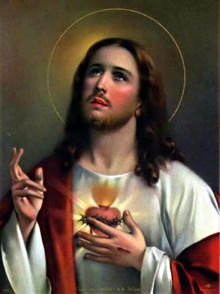
Saturday, September 16, 2006
Manchester NH priest under arrest
"And all of you, clothe yourselves with humility in your dealings with one another, for: "God opposes the proud but bestows favor on the humble." So humble yourselves under the mighty hand of God, that he may exalt you in due time. Cast all your worries upon him because he cares for you. Be sober and vigilant. Your opponent the devil is prowling around like a roaring lion looking for (someone) to devour." (1 Peter 5:5-8).
Subscribe to:
Posts (Atom)
